7 Benefits of Regular Home Plumbing Maintenance
Last Updated: October 28, 2026
Quick Summary
Regular plumbing maintenance is the scheduled inspection, cleaning, and adjustment of your pipes, fixtures, drains, and water heater before something fails. It prevents small problems from becoming major repairs and reduces the risk of leaks, pipe bursts, and water damage.
- A slow drain can signal a blockage even while water still moves.
- Water stains or bubbling paint often mean a hidden leak in walls.
- Replace washing machine hoses that are cracked, bulging, or older than five years.
- Call a licensed plumber for anything involving the main line, gas lines, or slab.
- Have the sewer line camera-inspected if the home is older or has mature trees near the lateral.
Table of Contents
- Why Regular Plumbing Maintenance Pays Off for Homeowners
- Preventing Small Problems From Becoming Major Repairs
- Reducing the Risk of Leaks, Pipe Bursts, and Water Damage
- Signs of Plumbing Problems You Should Never Ignore
- Your Home Plumbing Maintenance Checklist for Every Season
- How Often to Inspect Home Plumbing by Component
- Plumbing Maintenance Tips for Homeowners: DIY vs. Licensed Plumber
- Saving Money, Water, and Appliance Lifespan
- What to Do Next
- Frequently Asked Questions
Why Regular Plumbing Maintenance Pays Off for Homeowners
Regular plumbing maintenance is the scheduled inspection, cleaning, and adjustment of the pipes, fixtures, drains, and water heater in your home before something fails. At DeWolfe’s Affordable Plumbing, we provide plumbing services to residents of Wylie and the surrounding areas.
The reason is simple. Plumbing problems can have warning signs. A joint starts weeping, a drain slows by a few seconds, a water heater knocks quietly at night.
Below, we’ll walk through the seven benefits of regular home plumbing maintenance, the warning signs worth acting on, and a seasonal checklist you can actually keep up with. Here’s what most guides get wrong: they list benefits without ever telling you who should do the work. We’ll fix that too.
Preventing Small Problems From Becoming Major Repairs
The biggest mistake homeowners make is treating plumbing as a repair-only system. It isn’t. It’s a maintenance system, like a car or an HVAC unit, and it responds to the same rule: small, scheduled attention beats big, sudden bills.
How Minor Leaks and Slow Drains Escalate
A slow drain can be a sign of a blockage (the EPA). Water may still move, so nothing seems urgent.
Minor leaks can go unnoticed. A dripping supply line under a sink may not be noticed until the cabinet floor warps or the drywall stains.
Reducing the Risk of Leaks, Pipe Bursts, and Water Damage
A burst pipe can have warning signs. Preventive maintenance can help identify plumbing concerns.
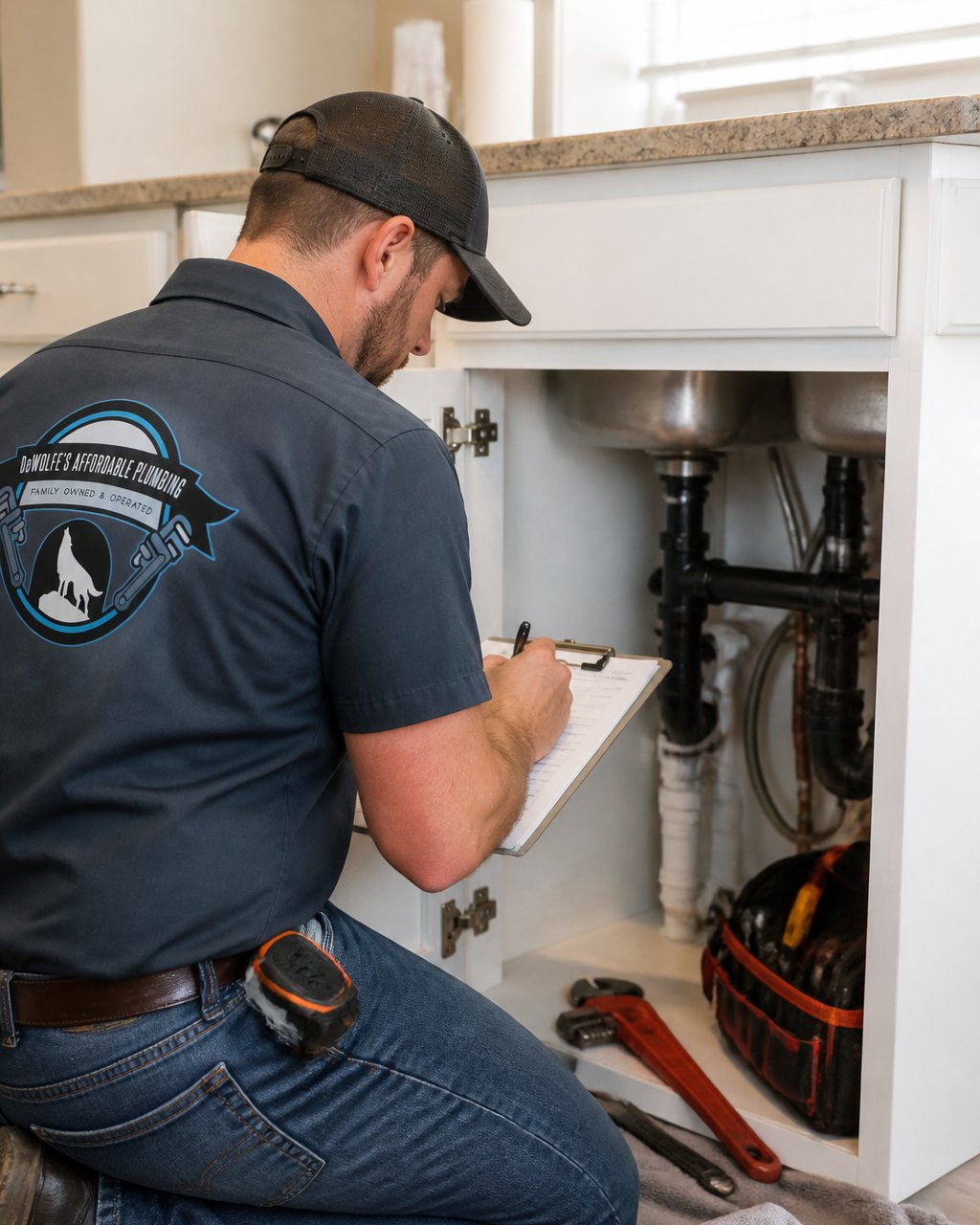
An annual plumbing inspection can include checking visible plumbing components.
Watch out: if you notice water staining on a ceiling or a soft spot in the floor near a bathroom, stop using that fixture and call a plumber. A slab leak or a hidden leak inside a wall can be difficult to spot. Our Slab Leak Location and Repair service addresses slab leaks.
Signs of Plumbing Problems You Should Never Ignore
Early detection is the whole game, so here are the signals that should trigger a call rather than another month of waiting:
- Slow drains in more than one fixture. One slow sink is local. Several slow drains point to a main line issue.
- Water stains or bubbling paint on ceilings and walls, which often mean a hidden water leak in walls.
- A water bill that climbs without a change in household habits.
- Gurgling sounds from drains or the toilet after use.
- Rusty or discolored water from a single tap, which can signal a corroding pipe or a failing water heater.
- A water heater older than ten years that knocks, rumbles, or runs out of hot water faster than it used to.
- Low water pressure at one fixture or across the whole house.
Any one of these is worth a look.
Your Home Plumbing Maintenance Checklist for Every Season
A schedule can split the year into four passes, one per season, with a short monthly glance in between. For a printable version to follow, use this plumbing inspection checklist for homeowners.
Monthly Glance (Five Minutes)
These are tasks for checking your plumbing:
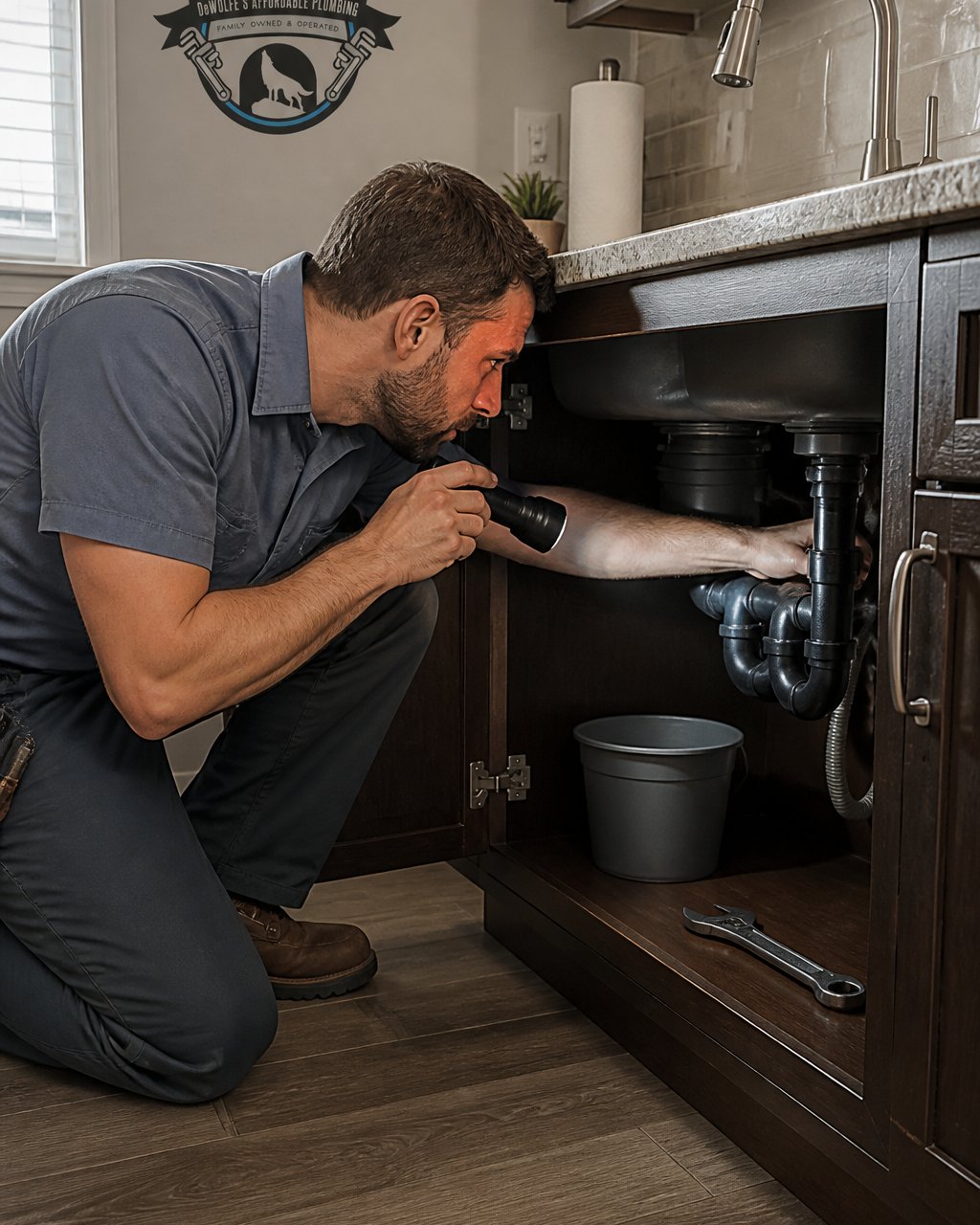
- Open the cabinet under each sink and look for drips, corrosion, or bulging supply lines
- Run water in every fixture, including guest bathrooms and floor drains, to keep traps full and seals wet
- Watch each drain for slow flow or gurgling
- Listen at the water heater for knocking or rumbling
- Confirm the toilet stops running after each flush
Spring: Thaw-and-Test
Warmer months are a time to check the water heater, irrigation lines, and drains.
- Test the water heater’s pressure relief valve by lifting the lever and letting it snap back
- Check supply lines behind the washing machine and under sinks for cracks or bulging
- Run water in unused guest bathrooms and floor drains to refill traps
- Clear debris from sump pumps and outdoor drains
- Look for corrosion at valve connections and fixture bases
- Have the sewer line camera-inspected if the home is older or has mature trees near the lateral
Summer: Peak-Load Checks
- Flush the water heater drain valve to clear sediment before the heaviest hot-water season
- Check the irrigation system for leaks at the backflow preventer and valve boxes
- Inspect the washing machine hoses, replace any that are cracked, bulging, or older than five years
- Verify the main shutoff valve still turns freely
Fall: Freeze Prep
Cold snaps are where plumbing takes its hardest hits. Before the first freeze, read this guide to preventing frozen pipes in North Texas. Before the first freeze, walk the house and confirm these items:
- Disconnect garden hoses and shut off outdoor spigots
- Insulate exposed pipes in the attic, garage, and crawlspace
- Locate the main shutoff valve and test that it turns
- Flush the water heater to clear sediment before heating season
- Check weatherstripping around doors near water lines
- Drain and store hoses; shut off and drain sprinkler systems
Winter: Watch-and-Protect
- Keep cabinet doors open on exterior walls during hard freezes so warm air reaches the pipes
- Let a pencil-thin stream drip from the farthest fixture on very cold nights
- Know where the main shutoff is and how to close it before you need to
- Check for ice dams or frozen exterior spigots after a cold snap
Put the monthly glance on the same day you change your HVAC filter. Pairing two small tasks makes both more likely to happen.
The monthly and seasonal items are yours to do.
How Often to Inspect Home Plumbing by Component
How often you inspect home plumbing depends on the component.
| Component | How Often | What to Check |
|---|---|---|
| Faucets and supply lines | Monthly | Drips, corrosion, loose fittings |
| Drains and traps | Monthly | Slow flow, gurgling, odors |
| Toilets | Monthly | Running, rocking, leaking at base |
| Water heater | Annually | Sediment flush, relief valve, temperature setting |
| Main shutoff and valves | Annually | Free movement, no seepage |
| Sewer line | Every 1-2 years | Backup signs, tree root intrusion |
| Whole system inspection | Annually | Pressure, visible pipes, appliance connections |
The monthly items are yours to do.
Plumbing Maintenance Tips for Homeowners: DIY vs. Licensed Plumber
Knowing which jobs belong to you and which belong to a licensed plumber can help you decide when to seek professional assistance. For the fixes that stay on your side of the line, this DIY guide to fixing minor water leaks walks you through the steps.
Handle these yourself:
- Replacing a showerhead or faucet aerator
- Tightening a loose toilet handle or flapper
- Clearing a slow drain with a plunger or drain snake
- Testing shutoff valves and checking for drips
- Flushing the water heater drain valve, if you’re comfortable doing it
- Replacing washing machine supply hoses
Call a licensed plumber for these:
- Anything involving the main line, gas lines, or slab
- Water heater repair or replacement
- Sewer line clogs or backups
- Leaks inside walls or under the foundation
- Any repair that requires opening a wall or floor
Why the Line Sits Where It Does
A licensed plumber also carries insurance and a bond, which matters if a repair goes wrong. That’s the practical reason to hand off the risky jobs even when the fix looks simple.
How to Tell a DIY Fix Has Crossed the Line
Stop and call a plumber if any of these happen mid-repair:
- Water keeps running after you close the nearest shutoff valve
- You smell gas at any point
- The leak is inside a wall, ceiling, or floor
- A fitting won’t seal after two attempts
- The repair involves a pipe you can’t see the full run of
If you’re unsure whether a job needs a permit, contact your local building department before you start.
Saving Money, Water, and Appliance Lifespan
The financial case for plumbing maintenance is straightforward. A dripping faucet can waste water. A water heater may need service.
What to Do Next
Plumbing maintenance only works if it actually happens. DeWolfe’s Affordable Plumbing is family owned and operated, fully licensed and insured under Master License #M39597, and we back all labor with a full written warranty. We offer on-site estimates for residential customers, transparent up-front pricing, and 24/7 emergency service when something does go wrong. If you’re ready to discuss plumbing service, call (972) 632-9935.
Frequently Asked Questions
What are the benefits of regular plumbing maintenance?
Regular plumbing maintenance can help homeowners check for plumbing concerns such as leaks and slow drains.
How often should home plumbing be inspected?
Inspection frequency depends on the home’s plumbing and circumstances. Homeowners can check faucets, toilets, and visible pipes periodically.
What does a routine plumbing inspection include?
A plumbing inspection can involve checking plumbing components and looking for visible concerns.
When should I call a professional plumber for maintenance?
DeWolfe’s Affordable Plumbing offers on-site estimates and a full written warranty on all labor performed.
The best time to inspect your plumbing is before you need to. If you’re not sure where your system stands, get a professional set of eyes on it. Get started with DeWolfe’s Affordable Plumbing and put a maintenance plan in place that keeps small problems small.
