
Why Is My Water Bill So High? Find Hidden Leaks
Table of Contents
- Why Is My Water Bill So High: Common Causes
- How to Check for a Water Leak With a Water Meter
- Hidden Water Leak Signs Inside Your Home
- Toilet Leak Test: A Quick DIY Check
- What to Do About an Unusually High Water Bill
- When to Call a Professional Plumber
- Frequently Asked Questions
Last Updated: October 11, 2026
Why Is My Water Bill So High: Common Causes
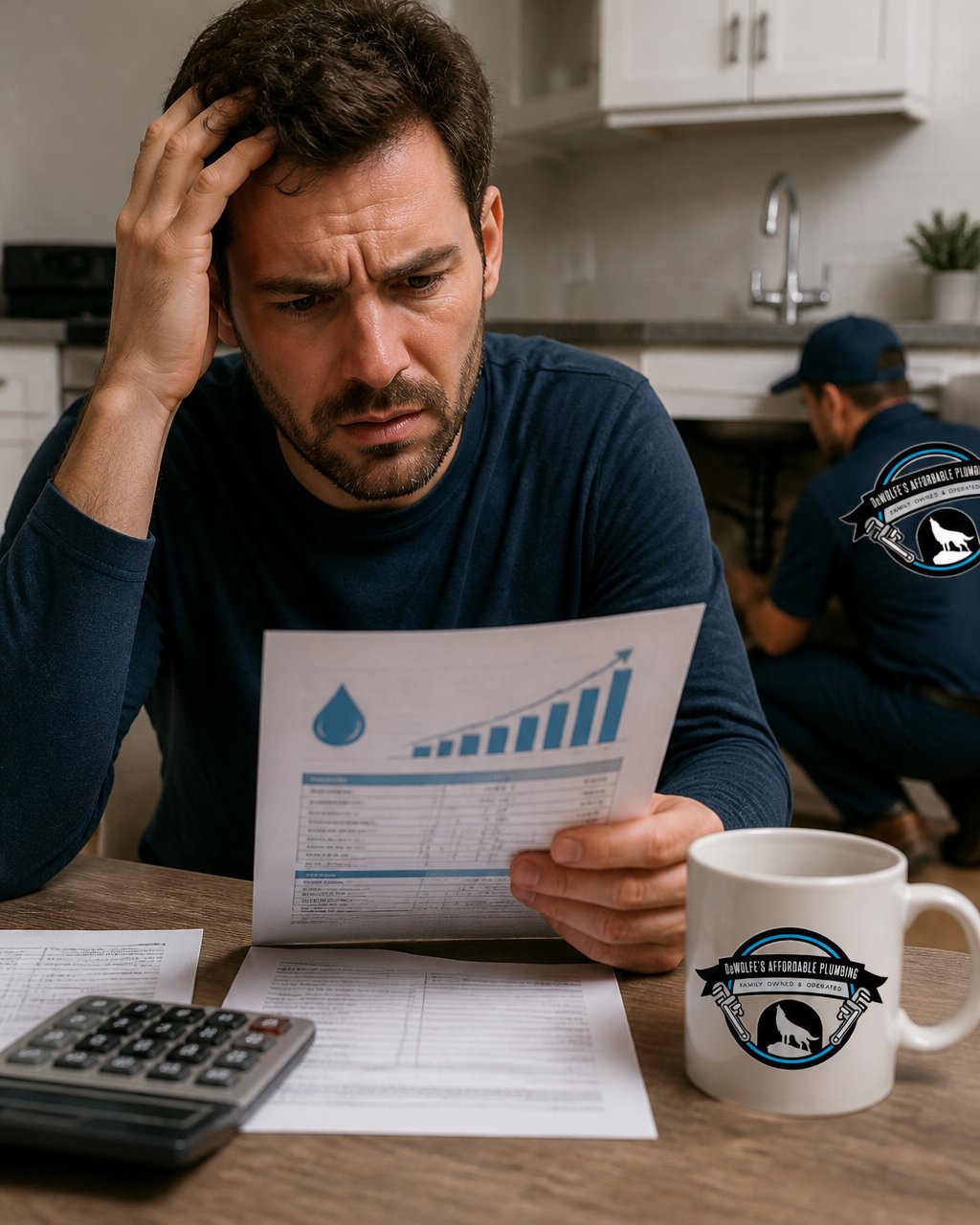
When your water bill so high suddenly spikes, it often signals a hidden leak. Understanding the source of high water usage is the first step toward fixing it.
Common culprits include leaking toilets (the most frequent offender), running faucets and showerheads, and underground pipe leaks beneath your foundation or yard that can waste thousands of gallons monthly.
Seasonal changes also drive higher bills, summer lawn watering and increased shower use are common. Older appliances become less efficient over time, using more water per cycle.
The good news: most leaks are fixable once you identify them.
If your water bill jumped 25% or more in a single month with no change in household habits, a leak is almost certainly responsible. Act quickly, small drips compound into major damage over weeks.
How to Check for a Water Leak With a Water Meter
Your water meter measures every drop entering your home, making it easy to spot abnormal usage patterns.
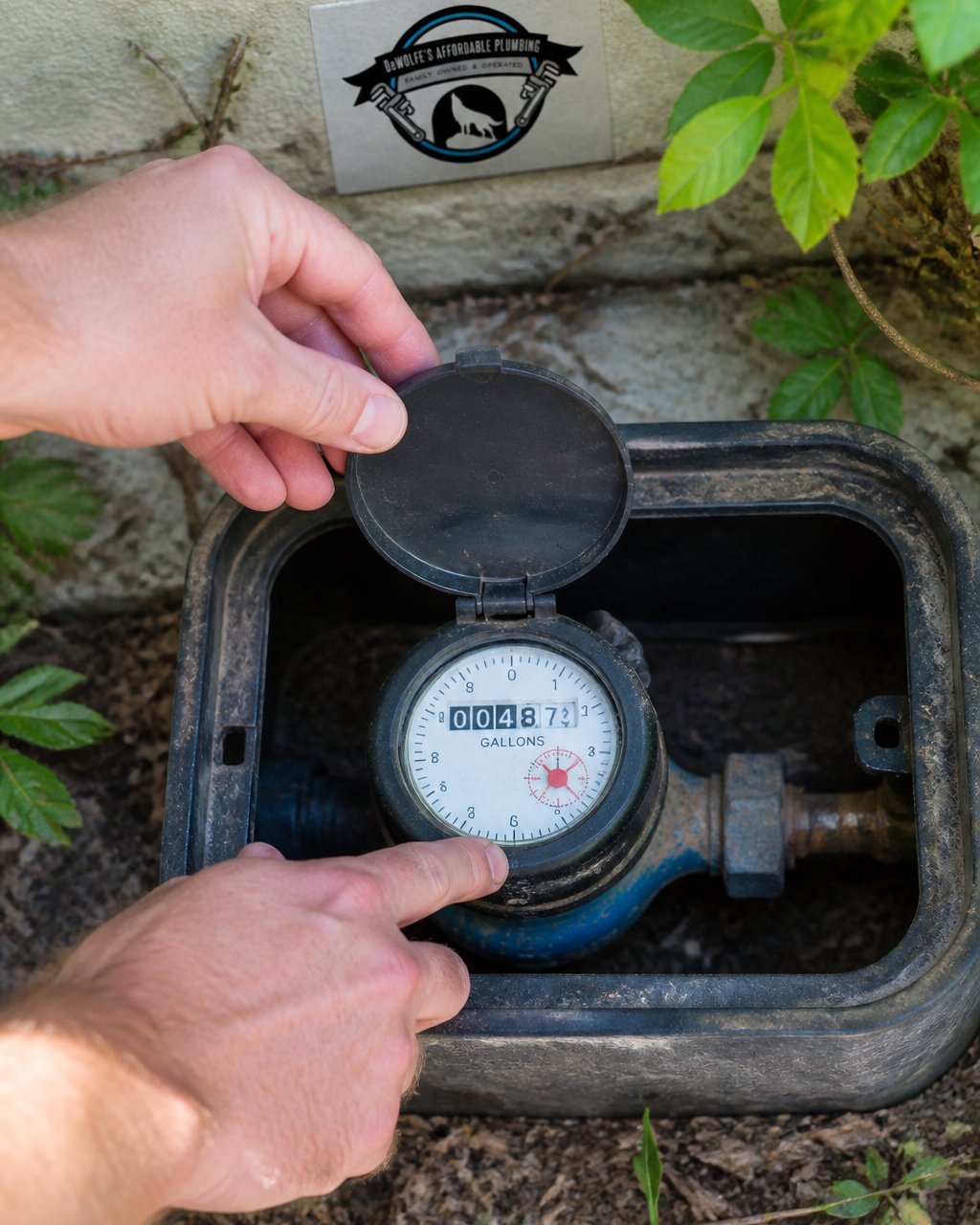
Locate your water meter (typically outside near the street in a small box or pit).
Turn off all water in your home and wait 30 minutes without using any water. Return to the meter and check the reading.
If the meter moves while everything is off, water is escaping somewhere.
A normal household uses 40-80 gallons per person daily. If your usage exceeds 100 gallons per person, investigate further.
- Check for running toilets first
- Look under sinks for drips
- Inspect visible pipes for moisture
- Note any soft ground or puddles outdoors
This simple test takes minutes but reveals whether a leak exists.
Your water meter never lies. If it moves when all water is off, you have an active leak somewhere in your system.
Hidden Water Leak Signs Inside Your Home
Some leaks hide inside walls, under floors, or behind appliances for months before causing visible damage. Learning to spot warning signs helps you assess urgency.
Damp spots and stains on walls or ceilings
Water seeping through drywall leaves telltale marks: discoloration, peeling paint, or soft spots on walls and ceilings.
Stain color reveals age: fresh damage looks lighter and feels damp; brown or yellowish stains indicate weeks or months of activity; greenish or black discoloration signals mold growth.
A single stain doesn’t always mean an active leak. Press the wall gently: if soft or spongy, water is present; if firm and dry, the leak may have stopped.
Check behind toilets, under sinks, and around water heater areas first. Multiple stains across rooms or floors indicate a substantial leak requiring professional diagnosis.
Soft or spongy floors
Press on your flooring with your foot. Healthy floors feel solid; compromised floors feel mushy or give way underfoot, indicating water saturation.
Soft spots indicate weeks or months of water exposure and structural damage. Water-damaged subfloors lose integrity and can collapse if the leak continues.
Mold thrives in damp subfloors, creating health hazards including respiratory issues and asthma attacks. If you notice soft flooring, contact a professional immediately.
Check bathrooms and kitchens where water use is highest. Walk slowly across the floor and pay attention to any areas that feel different. If you find soft spots, stop investigating and contact a professional.
Mold or mildew odors
A musty smell signals hidden moisture. Mold and mildew release volatile organic compounds (VOCs) that create a distinctive earthy, damp odor. You may smell it before seeing any visible growth, making odor one of the earliest warning signs of a hidden leak.
Mold is not just unpleasant; it is a documented health concern. The CDC and EPA both recognize that mold exposure in homes can trigger or worsen respiratory conditions (the CDC).
Check basements and crawlspaces first. A dehumidifier is a stopgap only. If musty smell returns within hours or days, an active leak is present, call a professional.
When to stop investigating and call a professional
Do not attempt further DIY investigation if you observe: stains or soft spots in multiple locations, visible mold growth, soft flooring, persistent musty smell, active pooling or dripping, or stains near your water heater or main water line. These signs indicate a large leak or hidden location requiring professional equipment.
Toilet Leak Test: A Quick DIY Check
A single running toilet can waste 200 gallons daily. Testing takes two minutes and requires only food coloring.
Add a few drops of food coloring to the toilet tank (the back part, not the bowl). Do not flush. Wait 15 minutes.
The flapper is a rubber seal at the tank bottom. Over time, it hardens and no longer seals properly. Water slowly drains from the tank into the bowl, forcing the tank to refill constantly.
Fixing a leaky toilet flapper is simple:
- Turn off water at the shutoff valve behind the toilet
- Drain the tank by flushing
- Remove the old flapper (it unclips easily)
- Install a new flapper (costs under $15)
- Turn water back on and test
If the flapper replacement doesn’t stop the leak, the flush valve itself may be damaged. This requires professional repair.
A leaking toilet can waste more water in one month than a small family uses in a year. If the food coloring test shows a leak, fix it immediately, do not wait.
What to Do About an Unusually High Water Bill
Once you’ve confirmed a leak exists via your water meter or visual signs, take action immediately. Every day of delay means more water wasted, higher bills, and greater risk of structural damage, mold growth, and foundation problems.
Before you call a plumber, however, understand what you can safely investigate yourself and what requires a licensed professional. Attempting the wrong repair can damage your plumbing system, void warranties, or create safety hazards.
What homeowners can safely investigate
You can perform visual inspection and basic testing without risk:
- Check all visible pipes under sinks, behind toilets, and around appliances for obvious leaks, cracks, or loose connections.
- Look for water stains on walls, ceilings, and floors to narrow down the leak’s location.
- Feel for soft spots in flooring to identify areas of water saturation.
- Inspect outdoor spigots and hose connections for drips or pooling water.
- Test your toilet with food coloring (as described in the toilet leak section) to confirm a running toilet.
- Check your water meter while all water is off to confirm a leak exists and estimate its size.
These steps take 30 minutes to an hour and provide valuable information to share with a professional.
What requires a licensed plumber, do not attempt these
Certain repairs and investigations must be performed by a licensed professional. Attempting them yourself can cause injury, property damage, or code violations:
- Slab leaks (leaks beneath your home’s concrete foundation) require specialized acoustic or thermal imaging equipment to locate. Slab Leak Location and Repair involves breaking concrete and accessing buried pipes, a job that demands licensing, insurance, and proper permits.
- Leaks inside walls or ceilings require opening drywall and accessing pipes within the structure. This work often involves permits and must meet building codes. If done incorrectly, it can compromise wall integrity or create mold conditions.
- Main water line leaks (the pipe running from the street to your home) are the utility company’s responsibility if they occur on their side of the meter, but your responsibility if they occur on your property. Either way, this requires professional diagnosis and repair.
- Pressure testing and leak detection using electronic equipment, thermal imaging, or acoustic listening devices requires training and specialized tools. These methods pinpoint leaks that visual inspection cannot find.
- Pipe repairs involving soldering, threading, or welding require licensing in most jurisdictions. Improper work can lead to leaks, contamination, or system failure.
- Water heater leaks or repairs involve both plumbing and potentially gas or electrical work, depending on the unit type. These always require a professional.
- Fixture replacement (toilets, faucets, water heaters) may seem simple, but improper installation can cause leaks, water damage, or code violations.
Decision tree: DIY or professional?
Use this framework to decide:
Is the leak visible and actively dripping from a faucet, toilet, or under-sink connection?
- Yes → You can attempt a simple fix (toilet flapper replacement, tightening a connection, replacing a faucet washer). If it doesn’t work after one attempt, call a plumber.
- No → Go to next question.
Is the leak underground, under your foundation, or inside a wall?
- Yes → Call a professional immediately. You cannot safely access or repair these.
- No → Go to next question.
Have you located the leak visually and confirmed it is a small, slow drip from a visible pipe or fitting?
- Yes → You may attempt a temporary repair using plumber’s tape, epoxy putty, or a patch kit from a hardware store. These are stopgaps only, schedule a professional repair within 24-48 hours.
- No → Call a professional. If you cannot find the leak despite testing, it is likely hidden or requires specialized equipment to locate.
Temporary repairs are not permanent solutions
If you use plumber’s tape, epoxy putty, or a patch kit, understand that these are emergency measures only. They may hold for days or weeks, but they will fail eventually. Schedule a professional repair immediately.
DeWolfe’s Affordable Plumbing offers same-day or 24-hour response to water emergencies. Our licensed professionals use advanced leak detection equipment to find hidden leaks quickly and accurately. We provide on-site estimates with transparent, up-front pricing so you know costs before work begins. Our team is fully insured and backed by a full written warranty on all labor.
When to Call a Professional Plumber
Some leaks require professional expertise. Knowing when to call saves time, money, and prevents structural damage.
Call a plumber immediately if:
- Water is actively pooling or flooding inside your home
- You see water damage in multiple rooms
- The leak is under your foundation or slab
- You’ve tested and confirmed a leak but cannot find it
- The leak is in your main water line
Slab leaks are particularly serious. These occur beneath your home’s concrete foundation. They cannot be fixed with DIY methods and require specialized equipment to locate and repair.
Professional plumbers have tools homeowners don’t. Thermal imaging cameras detect temperature differences in walls caused by water. Acoustic equipment listens for the sound of water escaping from pipes. Pressure testing identifies leaks in buried lines.
DeWolfe’s Affordable Plumbing specializes in water leak detection and repair. Our licensed professionals are fully insured and backed by a full written warranty on all labor.
Frequently Asked Questions
Why did my water bill suddenly go up?
A sudden spike usually signals a hidden leak, a running toilet, or a change in household water use. Check your water meter for movement when no fixtures are running. If the meter shows usage, you likely have a leak. Running toilets account for many high bills because they waste water continuously. Other causes include new appliances, increased family size, or a burst pipe inside your walls or under your foundation.
Can a hidden leak make my water bill high?
Yes. Hidden leaks in walls, under floors, or beneath your foundation waste water silently and can add significantly to your bill. A small drip might waste 5-10 gallons per day; larger leaks waste much more. Watch for soft spots on floors, damp walls, mold growth, or unusually green patches in your yard. If you suspect a hidden leak, use your water meter to confirm, then contact a licensed plumber for leak detection and repair.
How do I know if my toilet is leaking?
Add a few drops of food coloring to the toilet tank and wait 15-20 minutes without flushing. If color appears in the bowl, water is leaking from the tank into the bowl. A running or constantly refilling toilet also signals a leak. Toilet leaks waste thousands of gallons monthly. Most repairs involve replacing the fill valve or flapper, which are inexpensive fixes that stop the waste immediately.
When should I call a plumber about a high water bill?
Call a plumber if your meter shows continuous usage when no water is running, if you find damp spots or mold, if your toilet runs constantly, or if your bill doubled without explanation. A licensed plumber can locate hidden leaks using specialized equipment and recommend repair options. Many leaks worsen over time and cause structural damage, so early detection saves money and prevents costly repairs later.
A high water bill is your home’s way of asking for help. Leaks don’t fix themselves, they grow worse and more expensive. If your water meter confirms unusual usage, act now. DeWolfe’s Affordable Plumbing provides expert leak detection to prevent structural damage and mold growth. Our transparent pricing and same-day response mean you’ll know what’s wrong and how to fix it without surprises. Contact us today to stop wasting water and money.