
Plumbing Services in Collin County: A 2026 Guide
Table of Contents
- What Plumbing Services Cover in Collin County
- Emergency Plumber Near Me: 24-Hour Response Explained
- Signs of a Major Plumbing Leak You Shouldn’t Ignore
- How to Find a Reputable Plumber in Your Area
- Questions to Ask a Plumber Before Hiring
- Understanding Warranties and Transparent Pricing
- Preventative Maintenance: Keep Your Plumbing System Healthy
- Frequently Asked Questions
Last Updated: September 29, 2026
What Plumbing Services Cover in Collin County
Plumbing services in Collin County encompass everything from routine maintenance to complex emergency repairs that keep your home’s water systems functioning properly. At DeWolfe’s Affordable Plumbing, we handle residential plumbing needs across the full spectrum, whether you’re dealing with a burst pipe or scheduling preventative maintenance for your water heater.
The scope of professional plumbing services includes drain cleaning, leak detection, water heater repair and replacement, gas line services, sewer line work, and fixture installation. Each service addresses specific problems that, left unattended, can escalate into costly structural damage or health hazards. Understanding what falls under professional plumbing helps you know when to call a licensed plumber versus attempting a DIY fix.
Residential plumbing services vary by complexity. Simple tasks like replacing a faucet aerator might seem manageable yourself, but detecting a slab leak, where water escapes from pipes beneath your foundation, requires professional equipment and expertise. The difference between a quick fix and a proper solution often determines whether you’ll face the same problem again in six months.
Emergency Plumber Near Me: 24-Hour Response Explained
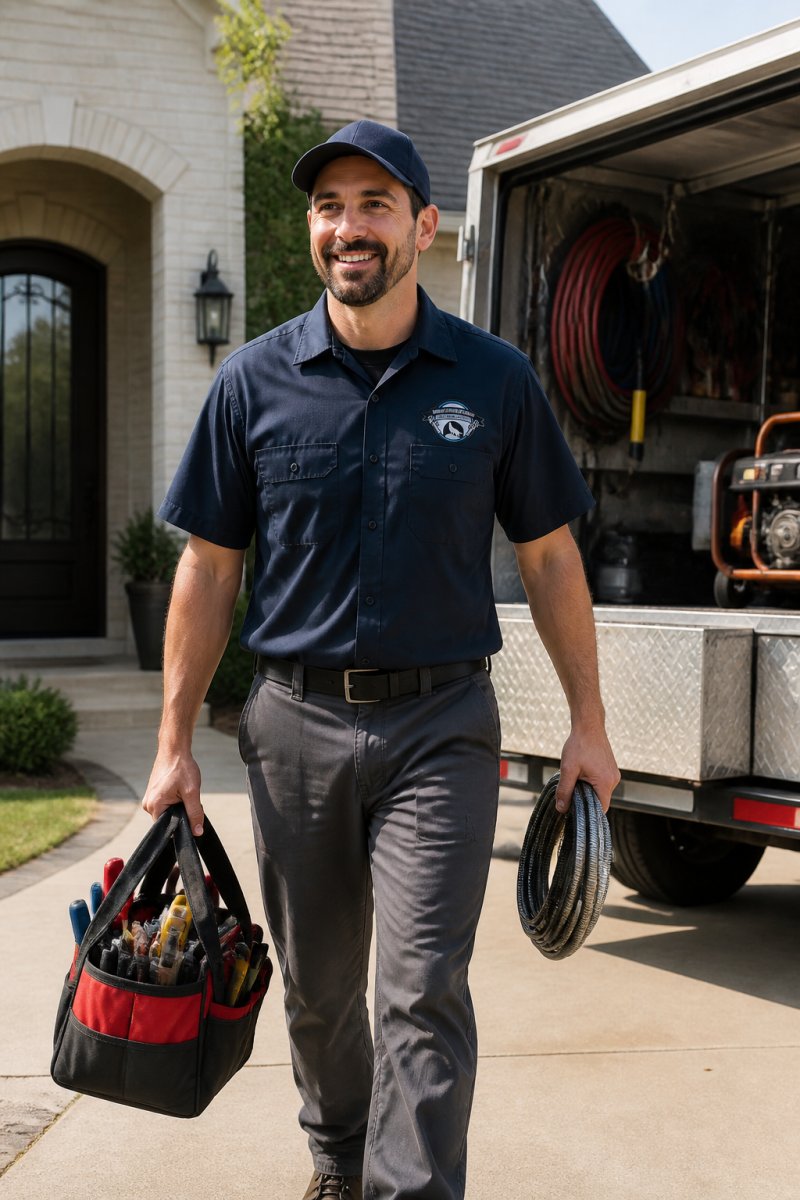
An emergency plumber near you who offers 24-hour service means a licensed professional can reach your home within hours of your call, regardless of whether it’s midnight on a Sunday or 6 a.m. on a holiday. This availability matters when water is actively damaging your property.
True 24-hour emergency plumbing response requires more than just a phone line. It means having technicians on rotation, service vehicles stocked and ready, and dispatch systems that prioritize calls by severity. When you contact DeWolfe’s Affordable Plumbing for an emergency, you’re getting a same-day or 24-hour response to inquiries depending on current demand and your location within our service area.
The reality of emergency response in Collin County varies by provider. Some businesses advertise 24-hour availability but route calls to answering services that contact technicians hours later. Others maintain genuine on-call rotations but may charge premium rates. Transparency about response times and emergency pricing is a hallmark of trustworthy providers.
What you should expect: a real person answering your call, a clear explanation of what the emergency involves, and an honest assessment of whether it requires immediate intervention or can wait until morning. Not every plumbing issue is a true emergency, but when water is flooding your basement or gas smell permeates your kitchen, you need someone who can arrive quickly and fix it right.
Signs of a Major Plumbing Leak You Shouldn’t Ignore
A major plumbing leak is one that either wastes significant water, causes visible damage, or threatens your home’s structural integrity. The challenge is that many serious leaks remain hidden until damage becomes expensive. Common visible signs include unexplained increases in your water bill (a jump of 25% or more month-to-month often signals a leak), wet spots on walls or ceilings, soft or spongy flooring, mold appearing in unexpected places, or the sound of running water when no fixtures are in use.
Slab leaks represent one of the most serious types. These occur when water lines beneath your foundation crack or corrode, allowing water to escape into the soil below your home. Early signs include a warm spot on your floor (caused by hot water lines leaking), cracks in the foundation that appear suddenly, or mold appearing in unexpected places. Ignoring a slab leak can lead to foundation settling, which requires significant structural repairs.
Visible water damage under sinks, around toilets, or in basements demands immediate attention. Even small drips can saturate insulation, promote mold growth, and weaken structural components. The longer water sits, the greater the damage. Professional plumbers use leak detection equipment, including acoustic sensors and thermal imaging, to locate hidden leaks before they cause catastrophic damage. Acoustic sensors listen for the sound of water escaping under pressure; thermal imaging detects temperature differences in walls and floors caused by escaping water.
Why hard water accelerates leaks: The region’s water hardness (mineral content) can contribute to pipe corrosion over time. Hard water deposits build up inside pipes, restricting flow and increasing pressure on pipe walls. This added stress makes older pipes more susceptible to cracks and leaks. If you have hard water, your pipes are at higher risk, making regular inspections even more critical.
The financial impact of waiting is steep. A small leak that costs a modest amount to repair today can become a foundation problem costing significantly more if left for months. Early detection through professional leak inspection is one of the highest-return investments a homeowner can make. If you notice any of these signs, contact a licensed plumber for a leak detection service rather than waiting to see if the problem resolves itself, it won’t.
How to Find a Reputable Plumber in Your Area
Finding a reputable plumber in your area starts with verifying licensing and insurance. A licensed plumber has passed exams demonstrating knowledge of plumbing code, safety practices, and proper installation techniques. Insurance protects you if something goes wrong during the repair. Ask for proof of both before hiring anyone.
Word-of-mouth referrals remain one of the most reliable ways to find trustworthy service. Ask neighbors, friends, or your real estate agent who they’ve used and whether they’d hire that plumber again. Online reviews provide additional perspective, though you should read both positive and negative feedback carefully, one bad review doesn’t define a business, but patterns of complaints about the same issue do.
Check whether the plumber offers on-site estimates. Reputable plumbers like DeWolfe’s Affordable Plumbing provide on-site estimates for residential customers, allowing you to understand the scope of work and cost before committing. Anyone quoting prices over the phone without seeing the actual problem is guessing, and guesses often turn into surprise charges later.
Verify the plumber’s service area includes your location. Some providers advertise broadly but only service specific zones within Collin County. Confirming they actually service your address prevents scheduling a technician who can’t reach you. Ask directly whether they’re available in your city and what response times they typically achieve in your area.
Questions to Ask a Plumber Before Hiring
Before you hire a plumber, ask whether they provide a written warranty on labor. This protects you if the repair fails within a reasonable timeframe. A full written warranty on all labor performed, like what DeWolfe’s Affordable Plumbing offers, demonstrates confidence in the work and gives you recourse if something goes wrong.
Ask about their approach to transparent pricing. Will they provide an upfront estimate before starting work? What happens if they discover additional problems once they begin? A reputable plumber explains this clearly and doesn’t surprise you with unexpected charges. They also explain why certain repairs are necessary rather than pushing expensive solutions you don’t need.
Questions about experience matter too. How long have they been in business?
Understanding Warranties and Transparent Pricing
A warranty on plumbing work protects your investment and signals that the plumber stands behind their repairs. A full written warranty on all labor performed means if the repair fails due to workmanship issues within the warranty period, the plumber will fix it again at no charge.
Preventative Maintenance: Keep Your Plumbing System Healthy
Preventative maintenance extends the life of your plumbing system and prevents costly emergency repairs. Simple steps like having your water heater serviced annually, clearing drains regularly, and inspecting visible pipes for leaks can catch problems before they become serious. Many homeowners only call a plumber when something breaks, but proactive maintenance costs far less than emergency repairs and protects your home’s foundation and structural integrity.
Seasonal Plumbing Maintenance Checklist:
Frequently Asked Questions
What should I look for in a licensed plumbing contractor?
A reputable plumbing contractor should carry a valid state license, proof of insurance, and a track record of customer satisfaction. Ask for their license number and verify it with the state. Check for written warranties on labor and parts, clear communication about timelines, and transparent pricing before work begins. References from past customers and online reviews also indicate reliability and professionalism.
How do I verify a plumber’s credentials in Texas?
Request the plumber’s license number and verify it through the Texas Department of Licensing and Regulation (TDLR) website. Confirm they carry liability insurance and workers’ compensation coverage. Ask for proof of bonding if required by law. A reputable plumber will provide this information upfront without hesitation. Licensed professionals display their credentials proudly and understand why verification matters to homeowners.
What does a service call from a plumber typically involve?
A service call includes a professional inspection of your plumbing system to diagnose the problem. The plumber will assess what’s wrong, explain the issue in clear terms, and provide an estimate for repairs before starting work. Many plumbers offer on-site estimates for residential customers. The call may include leak detection, drain inspection, or water heater evaluation depending on your needs.
How can I tell if a plumber is ripping me off?
Get multiple estimates and compare them, significant price differences may signal inflated quotes. Ask the plumber to explain exactly what work is needed and why. Reputable contractors provide written estimates and won’t pressure you into immediate decisions. Be cautious if someone recommends extensive work without a thorough inspection. Request an itemized breakdown of labor and parts, and verify that recommended work aligns with the actual problem you’re experiencing.
What is the 135 rule in plumbing?
The 135 rule relates to drain slope requirements under plumbing code: horizontal drain lines must slope at least 1/8 inch per foot (or 1 inch per 8 feet) to ensure proper drainage and prevent clogs. This slope prevents water and waste from pooling in pipes. Plumbers follow this standard to ensure your drainage system functions correctly and meets code compliance. Improper slope is a common cause of recurring drain problems.
What are the most common residential plumbing problems?
Common issues include dripping faucets, running toilets, slow drains, low water pressure, and burst or leaking pipes. Water heater failures and sewer line problems also affect many homeowners. Slab leaks, leaks beneath your foundation, require specialized detection. Regular maintenance and prompt repairs prevent small problems from becoming expensive emergencies. Professional plumbing diagnostics identify hidden issues before they cause structural damage or mold.