
Professional Drain Cleaning Service Cost: What to Expect
Table of Contents
- Understanding Professional Drain Cleaning Service Cost
- Factors That Affect Your Total Drain Cleaning Cost
- Drain Cleaning Cost by Method: Snaking vs. Hydro Jetting
- What a Professional Plumber Drain Cleaning Estimate Should Include
- Drain Cleaning Cost Breakdown: Service Call vs. Main Line vs. Branch Drains
- DIY vs. Professional Drain Cleaning: Cost and Risk Comparison
- Preventing Recurring Clogs: Long-Term Cost Savings
- Frequently Asked Questions
Last Updated: October 12, 2026
Understanding Professional Drain Cleaning Service Cost
When a drain backs up, homeowners face a choice: DIY or call a professional. The answer comes down to understanding what professional drain cleaning service cost actually involves. Unlike a plunger fix, it requires specialized equipment, trained technicians, and a diagnosis of the blockage’s cause.
Most homeowners underestimate the job. It’s not just removing the clog, it’s identifying the root cause so the problem doesn’t return. Total cost varies based on factors many guides overlook.
The professional drain cleaning service cost you’ll pay depends on several variables. A kitchen sink clog can differ in cost from a main sewer line backup, and an accessible drain may be less expensive to clear than one buried under your foundation. The clearing method, basic snake or hydro jetting, can shift the bill significantly.
Factors That Affect Your Total Drain Cleaning Cost
Clog Severity and Accessibility
Clog severity directly impacts labor time and equipment.
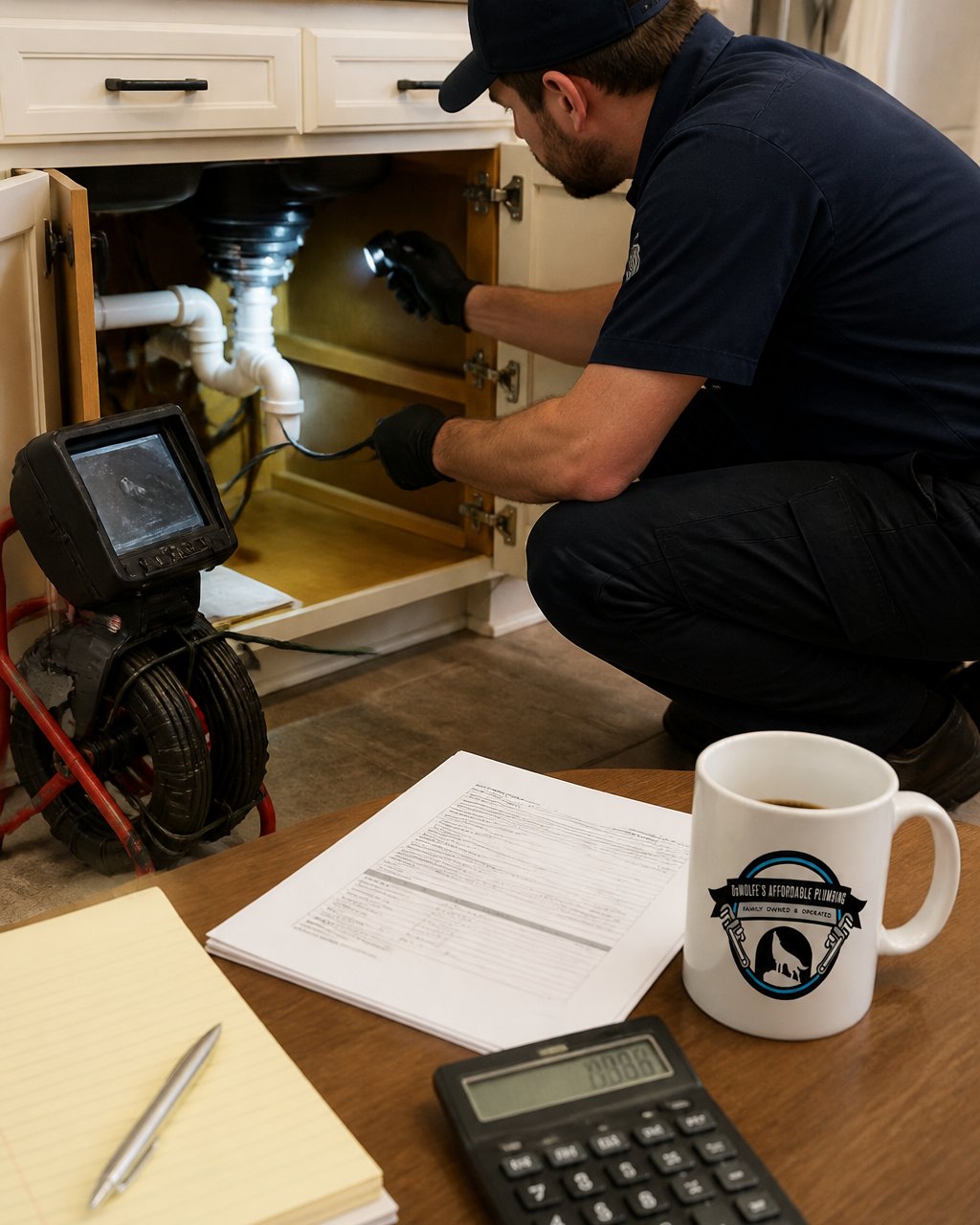
Accessibility matters enormously. A main line buried under your slab foundation is far more complex, and the plumber may need camera equipment to locate the blockage before clearing begins.
Hair or soap buildup in a bathroom drain can be a simpler job. Tree roots invading sewer lines or years of buildup demand intensive intervention. The difference in professional drain cleaning service cost between these scenarios can be significant.
Drain Type and Location in Your Home
Your home’s drainage system includes multiple drain types, each with different clearing requirements. A branch drain serving one fixture may require less effort to clear than a main line serving your entire home.
The main sewer line, carrying waste from your entire house to the municipal system or septic tank, can be more involved to service. A branch drain serving one bathroom or kitchen is typically less complex. Location affects how easily a plumber can access it and what equipment they need.
Drains in basements or crawl spaces are often easier to access than those in upper floors or exterior walls. Older homes may have configurations that complicate access, while modern homes with cleanout ports make the job faster and less expensive.
Equipment and Labor Rates
Professional plumbers invest in specialized equipment to clear different clogs safely. The equipment used directly influences the professional drain cleaning service cost, basic drain snakes cost less to deploy than industrial-grade hydro jetting systems.
Labor rates vary by region and job complexity. A shorter clearing job may differ in cost from a multi-hour job, and emergency or after-hours service may carry different rates. Some plumbers charge hourly; others quote flat rates.
Technician experience matters too. A master plumber may have different rates than an apprentice but often diagnoses problems faster. You’re paying for expertise, not just time.
Drain Cleaning Cost by Method: Snaking vs. Hydro Jetting
Method is one of the biggest swing factors in what you pay, and the factor most quote comparisons gloss over. Two plumbers can quote wildly different numbers for the same clog because one plans to snake it and the other to jet it. Understanding how each method is priced lets you tell whether a quote is reasonable.
How Method Choice Changes the Bill
| Method | Typical Use | Relative Cost | Time on Site |
|---|---|---|---|
| Hand auger / small snake | Sink, tub, or shower branch drain | Lowest | 15-45 min |
| Power snake (drum or sectional) | Branch drains and light main-line clogs | Low to moderate | 30-90 min |
| Hydro jetting | Grease, scale, roots, full main line | Moderate to high | 1-3 hours |
| Camera inspection (add-on) | Locating or confirming the cause | Add-on fee | 15-30 min |
Drain Snaking: The Baseline Method
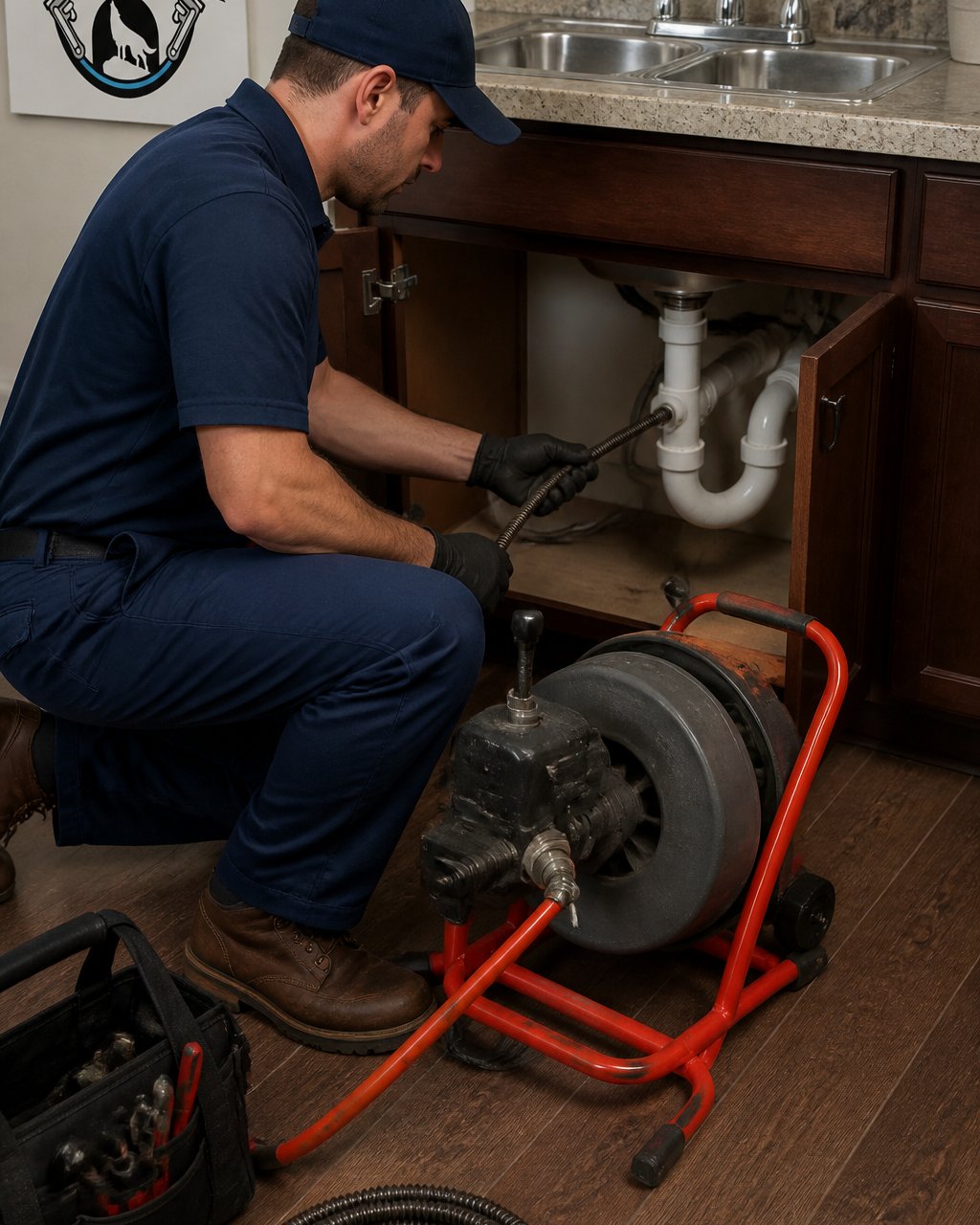
A drain snake, also called an auger or rooter, is a flexible steel cable with a cutting head fed down the drain to break up or pull out the blockage. It’s the default method for most residential clogs.
Snaking can be a less complex option because the equipment is simple and setup is fast. It handles hair, soap scum, food debris, and most soft branch-drain blockages.
The trade-off: snaking clears the path but does not clean the pipe. If the underlying cause is grease, scale, or roots, the clog tends to return. For a one-time soft clog in a bathroom drain, snaking can be an appropriate solution.
Hydro Jetting: When the Higher Price Is Justified
Hydro jetting uses a hose with forward- and rear-facing nozzles that blast water at high pressure, commonly 3,000-4,000 PSI for residential lines, to scour the full interior of the pipe, removing grease, mineral scale, sludge, and tree roots in a way a snake cannot.
Hydro jetting can be a more involved process because it requires more equipment, setup, and skill to run safely. A responsible plumber runs a camera inspection first to confirm pipe material and condition, since high pressure can damage old cast iron, clay, or cracked lines.
The payoff is durability. Because jetting cleans the pipe wall rather than just punching a hole, clogs may return less often. For a main line with recurring blockages, the upfront investment can be a more effective long-term solution than repeated snaking.
Choosing Between Them
- Soft clog, single fixture, first occurrence: snaking is usually sufficient and cheapest.
- Recurring clog in the same drain: the cause is likely buildup or roots, jetting plus a camera inspection is worth the premium.
- Main line with grease or roots: jetting is the appropriate method; snaking alone will not solve it.
- Old or fragile pipe: confirm condition with a camera before agreeing to jetting.
Ask the plumber which method they plan to use and why. A quote that names the method, the equipment, and the reason is a quote you can compare. A quote that just says “clear drain” is not.
What a Professional Plumber Drain Cleaning Estimate Should Include
Most cost guides tell you what drain cleaning costs but not how to read the quote in front of you. This section fills that gap: a checklist you can hold any estimate against before you sign.
A complete estimate should account for every stage of the job. If any item below is missing, ask before work begins, the missing line is usually where surprise charges hide.
The Estimate Checklist
1. Diagnosis and access
How will the plumber find the clog? A visual check, a camera inspection, or a guess?
2. Method and equipment
The estimate should name the method, hand auger, power snake, or hydro jetting, and the equipment involved.
3. Labor and time
Is the price flat-rate or hourly? If hourly, what is the estimated time, and what happens if the job runs long?
4. Service call or minimum fee
Many plumbers charge a service call fee just to come out.
5. Cleanup and disposal
Who cleans up the work area, and is debris or extracted material removed? This is rarely itemized but occasionally billed.
6. Follow-up and warranty
What happens if the clog returns next week? A workmanship guarantee, even a short one, signals the plumber stands behind the clearing.
**7.
How to Compare Two Quotes
Put the quotes side by side and check three things: the method named, whether the service call fee is credited, and whether a warranty is included. A lower headline number with no method named and no warranty is often the more expensive choice once the clog returns.
Be cautious of any quote that bundles an expensive repair into the drain-clearing price without a separate diagnosis. A camera inspection should justify any recommendation for jetting, pipe repair, or replacement, not the other way around.
A trustworthy estimate names the method, itemizes the service call and any inspection, states flat-rate versus hourly, and includes a warranty. If those four elements are present, you can compare quotes on equal footing.
consumer guidance on hiring home service contractors and comparing written estimates
Drain Cleaning Cost Breakdown: Service Call vs. Main Line vs. Branch Drains
Service call fees are a common practice to get a plumber to your home, covering diagnosis and an estimate. Many plumbers charge a flat fee, though some may apply it toward the final bill if you hire them.
Branch drain cleaning, clearing a single bathroom or kitchen drain, typically involves less complexity than main line work. These drains are often easier to access, may require less equipment, and can take less time to clear.
Main line cleaning addresses blockages in the central sewer line serving your entire house. It’s more involved and can require more extensive professional drain cleaning service.
Recurring clogs in the same drain suggest an underlying issue that simple clearing won’t solve permanently. Tree roots, pipe damage, or chronic buildup may require follow-up work.
DIY vs. Professional Drain Cleaning: Cost and Risk Comparison
DIY drain clearing with a plunger or over-the-counter cleaner can have a low upfront cost and sometimes works on minor surface-debris clogs.
Chemical drain cleaners pose safety risks. They can damage older pipes, harm septic systems, and create hazardous fumes. If the chemical doesn’t clear the clog, you’ve spent money on a product that didn’t work and may have created new problems.
Renting a drain snake puts the equipment in untrained hands. Improper use can damage pipes or push the clog deeper. What seems like a cost-saving measure often leads to more expensive repairs later.
Professional drain cleaning service, while an investment, aims to solve the problem correctly the first time. A licensed plumber diagnoses the underlying cause, uses the right equipment, and provides a warranty. The reliability can justify the expense for most homeowners.
Preventing Recurring Clogs: Long-Term Cost Savings
Understanding professional drain cleaning service cost means recognizing that prevention saves money over time.
Regular maintenance, drain screens, avoiding grease down drains, and periodic professional cleaning, prevents many clogs before they start, potentially avoiding emergency calls and repeated service visits.
When a clog recurs within weeks or months of professional clearing, the underlying cause needs addressing, replacing a damaged pipe section, removing tree roots, or installing a specialized drain treatment.
DeWolfe’s Affordable Plumbing provides on-site estimates so you understand the full scope of any needed repairs before committing to work.
When a drain backs up, the cost of professional service often feels like an unwelcome surprise.
DeWolfe’s Affordable Plumbing offers transparent, up-front pricing with no hidden charges. Our licensed professionals diagnose your drain problem accurately and recommend solutions matched to your specific situation.
Frequently Asked Questions
How much does professional drain cleaning usually cost?
Professional drain cleaning service cost varies based on the severity of the clog, the drain’s location, and the cleaning method required. Simple sink drain clogs may involve less extensive work than main line blockages. Service call fees, labor rates, and whether additional repairs are needed all factor into the total. For an accurate quote specific to your situation, contact a licensed plumber who can diagnose the problem on-site and provide transparent pricing.
What factors affect the cost of professional drain cleaning?
Several factors influence professional drain cleaning cost: clog severity and accessibility, drain type (sink, toilet, shower, or main line), equipment needed, labor rates, and whether camera inspection or additional repairs are required. Emergency or after-hours service typically costs more. The location of the blockage, whether it’s in a branch drain or the main sewer line, also significantly impacts pricing. A plumber’s estimate should itemize these factors clearly.
Is drain snaking or hydro jetting more expensive?
Drain snaking is generally a less involved process than hydro jetting because it requires less specialized equipment and labor time. Hydro jetting uses high-pressure water to clear stubborn blockages and is more effective for heavily built-up pipes, which can make it a more significant investment. The right method depends on your clog severity, pipe material, and the plumber’s diagnosis. A professional can recommend the most cost-effective solution after inspecting your drain.
What should a plumber drain cleaning estimate include?
A comprehensive plumber drain cleaning estimate should list the service call fee, labor rate and estimated hours, the specific cleaning method proposed, equipment costs, any diagnostic fees (like camera inspection), and potential additional charges if repairs are needed. It should clearly distinguish between routine cleaning and any repairs. The estimate should be in writing, explain what’s included and what’s not, and include the warranty or guarantee on the work performed.