

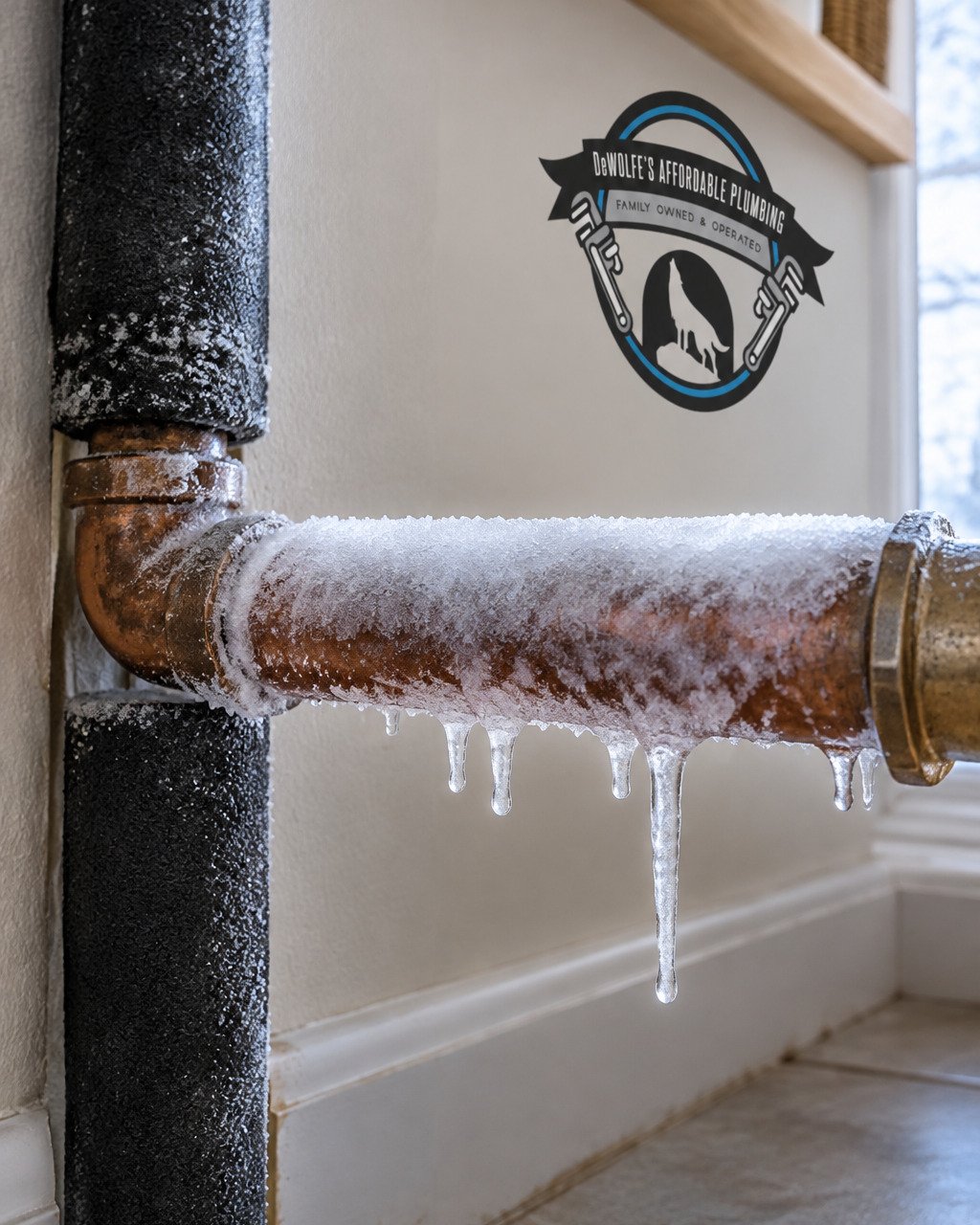
How Long Pipes Take to Freeze in a Home
Last Updated: November 14, 2026
Quick Summary
Most pipes in a home freeze within four to eight hours once surrounding air drops below freezing, though this range is a planning estimate rather than a rule. The exact time for how long pipes take to freeze in a home depends on air temperature, insulation, and wind or drafts reaching the pipe.
- An uninsulated pipe in an exposed spot at 30°F can start freezing within several hours.
- Below 20°F, an exposed uninsulated pipe may freeze in two to four hours, faster with wind.
- Pipes in attics, crawlspaces and along exterior walls freeze first, so watch those spots.
- Insulate exposed pipes, seal drafts, drip faucets and open cabinet doors before a cold snap.
- Call a licensed plumber if you cannot find the frozen section or a pipe has burst.
Table of Contents
- How Long Pipes Take to Freeze in a Home: The Four to Eight Hour Window
- How Long Does It Take Pipes to Freeze at 30 Degrees?
- At What Temperature Do Pipes Freeze?
- Frozen Pipe Prevention: Protecting Vulnerable Pipes Before the Cold Snap
- What to Do If Pipes Freeze and No Water Comes Out
- Assessing Pipe Freeze Risk in Unheated Areas of Your Home
- When to Call a Licensed Plumber for Frozen Pipes
- Frequently Asked Questions
How Long Pipes Take to Freeze in a Home: The Four to Eight Hour Window
The time it takes for water pipes in a home to freeze depends on conditions such as air temperature, insulation, and exposure to wind and drafts. Pipe location and the length of the cold spell matter most. At DeWolfe’s Affordable Plumbing, we hear the same question every winter: “The heat went out last night, is my plumbing already ruined?”
Why Most Freeze-Time Estimates Are Rough
The four-to-eight-hour figure is a range, not a rule. A pipe in an insulated interior wall may hold out far longer. A thin copper line against an exterior wall with a draft blowing on it can freeze in a fraction of that time.
What most guides miss is that freeze time is really a heat-loss question. The colder the air, the faster the pipe loses heat. The more insulation around it, the slower that loss. No single number covers every home.
Three things decide how fast it happens:
- Outside temperature and how long the cold lasts
- Insulation around the pipe and in the wall cavity
- Wind and drafts reaching the pipe
The National Weather Service cold safety guidance is a good reminder that wind makes cold air bite harder. A pipe in a windy crawlspace faces a lower effective temperature than the thermometer on your porch shows.
How Long Does It Take Pipes to Freeze at 30 Degrees?
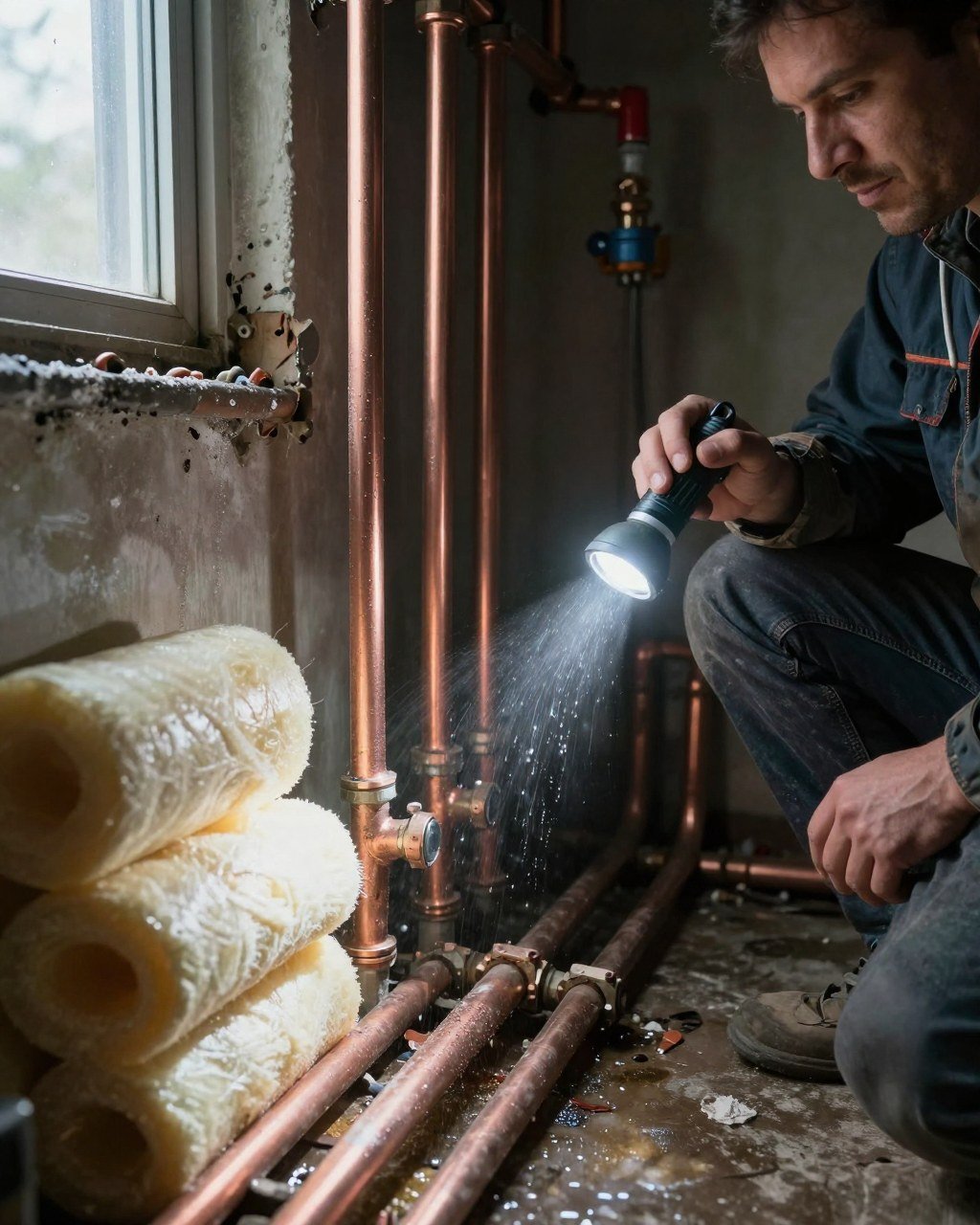
At 30°F, an uninsulated pipe in an exposed spot can start to freeze within several hours. Warmer air slows the process, but it does not stop it. The honest caveat is that no single countdown applies to every pipe, because freeze time is a heat-loss race between the water inside the pipe and the air around it.
Freeze timing depends on pipe condition, not only the number on the porch thermometer.
| Air temperature around the pipe | Exposed, uninsulated pipe | Insulated pipe in an exterior wall | Pipe in a heated interior wall |
|---|---|---|---|
| 32°F and above | Very low risk; water stays liquid | Very low risk | No risk |
| 30°F to 25°F | May freeze in six to eight hours | Roughly 12 to 24 hours, longer with still air | Generally safe |
| 25°F to 20°F | Four to six hours | Eight to 12 hours | Low risk unless heat is lost |
| Below 20°F | Two to four hours, faster with wind | Four to eight hours | Risk rises only if indoor heat fails |
| Below 0°F | One to two hours for a thin line in a draft | Two to four hours | Can freeze if the wall cavity is cold-soaked |
Treat those ranges as planning estimates, not guarantees. A slow, steady cold is gentler on a pipe than a fast drop, because the wall cavity and the water itself hold residual heat. A pipe that has already been cold-soaked for a day starts the next cold night with less margin.
Water movement matters too. A dripping faucet keeps a trickle moving through the line, which slows ice formation at the coldest point, but it does not protect a dead-end run to an outdoor spigot that has been shut off.
The CDC guidance on preventing and thawing frozen pipes points out that pipes in attics, crawlspaces and along exterior walls are the first to go. Those are the spots to watch when the forecast drops, and the spots where the shortest times in the table apply.
At What Temperature Do Pipes Freeze?
Water pipes freeze at 32°F, but the real danger starts well before the air hits that mark. The temperature that matters is the one right next to the pipe, not the one on your thermostat.
The Role of Indoor Temperature and Loss of Heat
When a home loses heat overnight, indoor temperature can fall fast, and pipes in cold areas lose their safety margin.
Keeping the thermostat at a steady temperature during a cold snap can help reduce the risk of frozen pipes.
Watch out: the biggest mistake is turning the heat down before a trip. A house left at 45°F during a hard freeze is asking for trouble in the crawlspace and along exterior walls.
Frozen Pipe Prevention: Protecting Vulnerable Pipes Before the Cold Snap
Prevention comes down to three moves: insulate, seal and keep water moving. Do them before the first hard freeze and you cut your risk sharply.
Start with the weak spots:
- Insulate exposed pipes in the attic, crawlspace and garage with foam sleeves.
- Seal drafts around exterior walls, vents and where pipes pass through the siding.
- Drip faucets on exterior walls so water keeps moving.
- Open cabinet doors under sinks on cold nights to let warm air reach the pipes.
- Disconnect garden hoses and shut off outdoor faucets.
For a fuller plan, our guide on preventing frozen pipes in North Texas walks through the regional risks step by step. If you want the broader checklist, see how to prepare your plumbing for winter. And for the outdoor spigots specifically, these steps to winterize outdoor plumbing faucets cover the shutoff and drain process.
What to Do If Pipes Freeze and No Water Comes Out
A frozen pipe is not a burst pipe yet, and that is good news. The goal is to thaw it slowly before pressure builds.
Follow these steps:
- Shut off the main water valve if you suspect a break.
- Open the nearest faucet so melting water has somewhere to go.
- Warm the pipe gently with a hair dryer, heat lamp or warm towels.
- Work from the faucet end back toward the frozen section.
- Never use an open flame or a blowtorch on a pipe.
Watch out: never pour boiling water on a frozen pipe or use a space heater right against it. Rapid heating can crack copper or melt plastic fittings. For safe, detailed thawing steps, read our guide on how to safely thaw frozen pipes without bursting.
Assessing Pipe Freeze Risk in Unheated Areas of Your Home
Some rooms in your house get no heat, and those are where pipes freeze first. The outdoor temperature is an imperfect guide, because the air a pipe actually sits in can run 10 to 20 degrees colder than the thermostat reading. Check these zones before a cold night:
- Crawlspaces: Look for pipes running along the exterior wall with no insulation. Vents that stay open in winter turn a crawlspace into a wind tunnel.
- Attics: Supply lines often pass through here, and attics get cold fast. A soffit vent blowing on a line is a common freeze point.
- Garages: Pipes in shared walls with the garage are a common freeze point, especially on an unheated attached garage.
- Basements: Unheated basements cool slowly but deeply, so they lag the outdoor drop by a day and stay cold longer.
- Under-sink cabinets: A cabinet against an exterior wall traps cold air and blocks room heat from reaching the supply lines.
A cheap thermometer placed near these pipes tells you more than the thermostat does. If the air around a pipe is near freezing, treat it as a threat. The U.S. Department of Energy home winterization tips recommend insulating both the pipe and the space around it for lasting protection.
What to Do During a Heating Outage, in Order
A furnace failure on a cold night is the classic setup for a frozen pipe. Work through these steps in sequence:
- Open faucets to a slow trickle, especially on exterior walls, so moving water resists freezing and pressure has a release point.
- Open cabinet doors under sinks on exterior walls so room air reaches the supply lines.
- Close crawlspace vents and garage doors, and block drafts at doors and windows with towels or weatherstripping.
- Add safe temporary heat with space heaters rated for indoor use, kept at least three feet from anything combustible and never left unattended. Never use a grill, oven, or kerosene heater indoors.
- Monitor the coldest zones with a thermometer near the pipes every few hours, and watch for the first sign of trouble: a faucet that slows to a trickle when others run normally.
- Shut off the main water valve if you lose water entirely or see a leak, then call for help.
Watch out: leaving a home unheated during a hard freeze increases the risk of frozen pipes in the crawlspace and along exterior walls.
When to Call a Licensed Plumber for Frozen Pipes
Call a licensed plumber when you cannot find the frozen section, when a pipe has already burst, or when you have no water after several hours of careful thawing. Some problems are beyond a hair dryer.
Signs it is time to call:
- Water is pooling or dripping where it should not be
- You hear a hiss or rush of water in the walls
- A pipe is visibly split or swollen
- You cannot reach the frozen section safely
Our frozen pipe repair services cover locating the break, repairing or replacing the damaged section, and checking the rest of the system. If the damage traces back to a line buried under the foundation, our Slab Leak Location and Repair service can pinpoint and fix it, and when a freeze leaves you with a split supply line, our Waterline Repair or Replacement team can restore it. We offer on-site estimates, up-front pricing, and a full written warranty on all labor.
Cold snaps move fast, and so do frozen pipes. If your heat has been out or you are worried about the vulnerable lines in your crawlspace, do not wait for the water to stop. DeWolfe’s Affordable Plumbing offers 24/7 emergency service, on-site estimates, and a full written warranty on all labor, so you get a clear answer and a real fix. Get started with DeWolfe’s Affordable Plumbing and protect your home before the next freeze.
Frequently Asked Questions
How quickly will pipes freeze in a house?
Pipes in unheated areas like a crawlspace, attic, or garage are the most vulnerable to freezing when outdoor temperatures drop sharply. Pipes in insulated interior walls generally take longer to freeze. The exact time depends on insulation, wind exposure, and whether water is flowing through the pipes.
Will my pipes freeze if my heat is set to 65°F?
Setting your thermostat to 65°F or higher generally protects most pipes inside your home, but it does not guarantee safety for pipes in unheated areas. Pipes in crawlspaces, attics, garages, or against exterior walls can still freeze even when indoor temperature stays at 65°F. Keep cabinet doors open on exterior walls and let faucets drip during cold snaps to reduce risk.
What should I do if my pipes freeze and there is no water?
First, turn off the main water valve to prevent flooding if a pipe bursts. Then open the nearest faucet and apply gentle heat to the frozen section using a hair dryer, heat lamp, or warm towels. Never use an open flame or propane torch. If you cannot locate the frozen section or water does not return within a few hours, call a licensed plumber. DeWolfe’s Affordable Plumbing offers 24/7 emergency service for frozen and burst pipes.
How long does it take for frozen pipes to thaw?
Thawing time depends on the size of the frozen section and where the pipe is located, and larger sections or pipes in crawlspaces may take longer. Never rush the process with high heat, as rapid temperature changes can crack pipes. If water does not flow after several hours of gentle warming, the blockage may be deeper than expected and requires professional attention.
