
Preventing Frozen Pipes in North Texas: 2026 Guide
Table of Contents
- Why North Texas Homes Are Vulnerable to Frozen Pipes
- How to Insulate Pipes From Freezing
- How to Protect Outdoor Faucets From Freezing
- Should You Let Faucets Drip to Prevent Frozen Pipes?
- Sealing Drafts and Keeping Indoor Temperatures Steady
- What to Do When Pipes Freeze
- Freeze Preparation for Renters, Older Homes, and Vacant Properties
- Conclusion
- Frequently Asked Questions
Last Updated: October 6, 2026
Why North Texas Homes Are Vulnerable to Frozen Pipes
Preventing frozen pipes in North Texas starts with one uncomfortable fact: our homes were not built for hard freezes.
The risk is not the cold alone. It is the freeze-thaw cycle. Water expands as it turns to ice, and that pressure can split copper, PEX, or PVC.
Two factors make North Texas especially exposed:
- Long stretches of mild weather let us skip winter prep entirely
- Sudden drops from the 60s to the teens leave no time to react
That combination catches thousands of homeowners off guard every season. The good news: most freeze damage is preventable with a few hours of work.
The pipes that burst most often are the ones nobody thinks about: attic runs, garage lines, and hose bibs on the north side of the house.
The Pipe Locations Most at Risk in Collin County Homes
Slab foundations and pier-and-beam homes fail in different places. Knowing which pipes are exposed in your house tells you where to focus.
The highest-risk spots in Collin County homes:
- Attic runs. Supply lines crossing unconditioned attic space freeze fast.
- Garage walls. Pipes in exterior garage walls get little warmth.
- Hose bibs and outdoor faucets. These are the first to freeze.
- Crawl spaces. Older pier-and-beam homes have unheated under-floor plumbing.
- Exterior kitchen and bath walls. Cabinets against brick walls stay cold.
If you live in an older home, assume your insulation is thinner than code requires today. A quick walk-through with a flashlight will show you which lines sit closest to the outside.
How to Insulate Pipes From Freezing
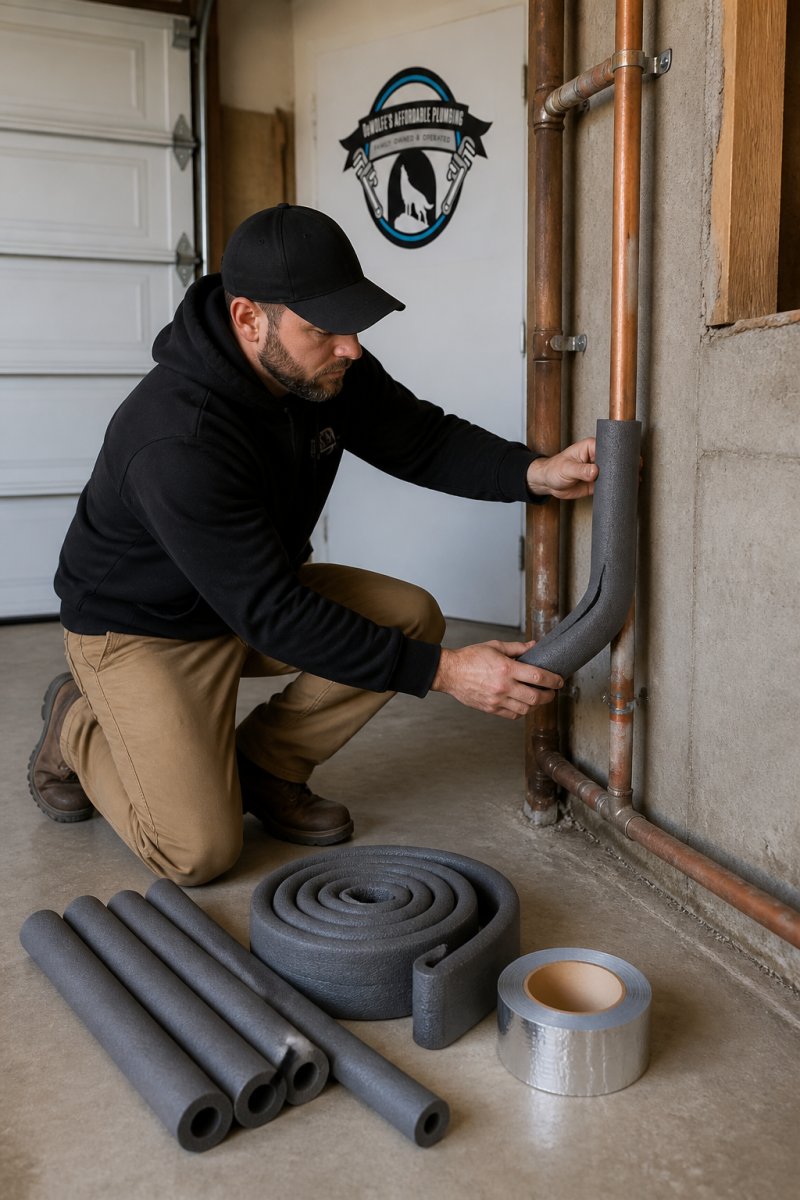
Pipe insulation is the single most effective defense, and it is cheap and simple to install. Foam sleeves slide over exposed pipe and slow heat loss enough to keep water moving.
Here is the basic process:
- Measure the pipe diameter and buy matching foam sleeves.
- Slide the sleeves over the full run, including elbows and tees.
- Seal every seam with foil tape.
- Wrap extra insulation around valves and fittings.
- Check that no bare pipe touches concrete or exterior sheathing.
For pipes in tight spots, heat tape rated for plumbing works well. Plug it in only during freezing weather, and never overlap the tape on itself.
Choosing Pipe Insulation for Copper and PEX Piping
Copper and PEX behave differently in a freeze. Copper conducts cold quickly and splits under pressure. PEX flexes and often survives a freeze, but fittings still crack.
Match your material to the right protection:
| Pipe Material | Freeze Risk | Best Protection |
|---|---|---|
| Copper | High, splits easily | Foam sleeves plus heat tape |
| PEX | Moderate, flexes | Foam sleeves on exposed runs |
| PVC (drains) | Low unless pooled | Insulate only if exposed |
| Galvanized steel | High at joints | Sleeves plus joint wrap |
A common mistake is insulating only the straight runs and leaving fittings bare. Fittings freeze first, so wrap them too.
Leave a small gap at the very end of each foam sleeve near a heat source. Trapped moisture inside a sealed sleeve can corrode copper over time.
How to Protect Outdoor Faucets From Freezing
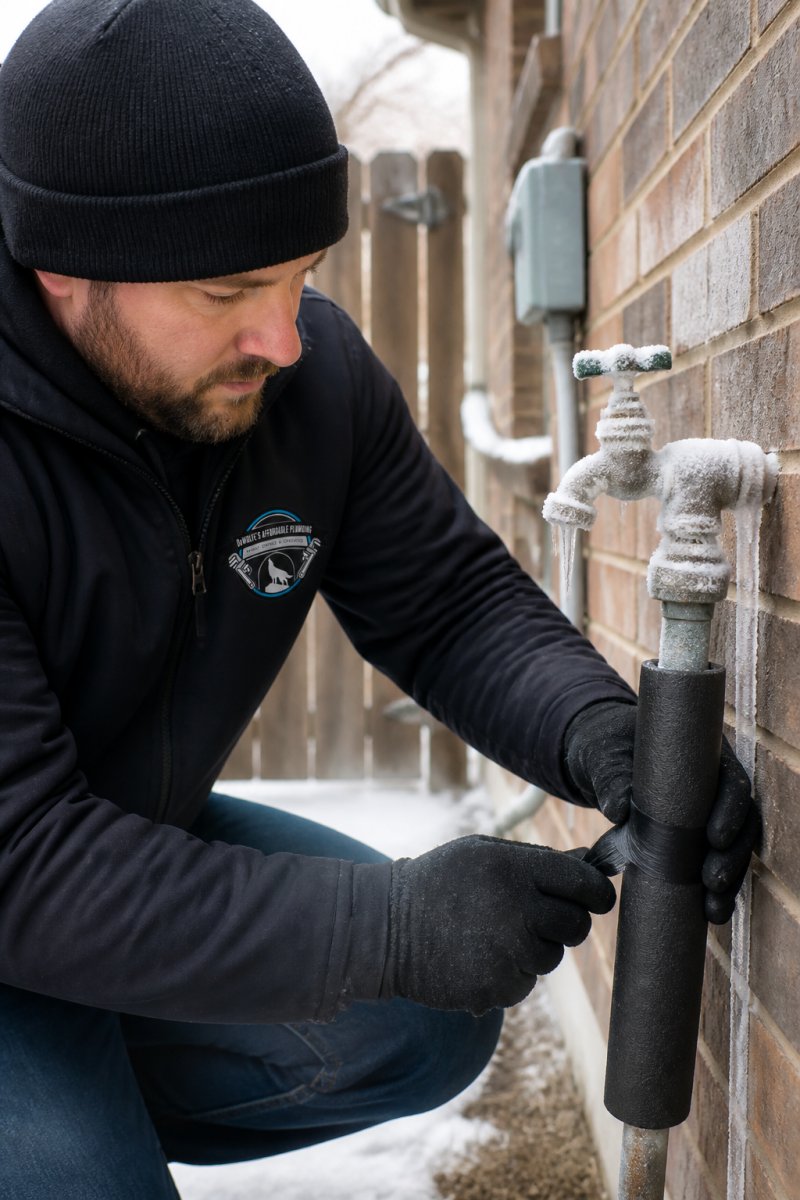
Outdoor faucets and hose bibs freeze before anything inside the house, so start there. Disconnect every garden hose and store it indoors.
Next, cover each hose bib with an insulated faucet cover. These foam caps cost little and snap on in seconds. For a more permanent fix, a frost-free sillcock drains water back inside the wall after each use.
Your outdoor checklist:
- Disconnect and drain all garden hoses
- Store hoses in a garage or shed
- Install insulated faucet covers on every hose bib
- Shut off and drain any dedicated outdoor lines
- Check sprinkler systems and blow them out
If you have a pool or irrigation system, follow the manufacturer’s winterizing steps. Water left in those lines can crack fittings underground.
Should You Let Faucets Drip to Prevent Frozen Pipes?
Yes, letting faucets drip helps, but the reason matters more than the ritual. Moving water carries heat from deeper in the system and takes far longer to reach freezing than still water sitting in an exposed run.
Which faucets should drip:
- The faucet farthest from where water enters the house
- Both hot and cold sides on at least one sink
- Any faucet on an exterior wall
- The sink nearest the water heater if you have a long, exposed hot-water run
Keep the drip steady, about the width of a pencil lead. A faster stream wastes water without adding protection. Open cabinet doors under sinks on exterior walls so warm room air reaches the pipes.
Timing the Drip to the Forecast, Not the Calendar
North Texas swings make the calendar useless. The drip should start when the overnight low is forecast to fall to roughly 20°F or below for four or more hours, and it should keep running until the daytime high climbs back above freezing. A common pattern is a 60-degree afternoon followed by a teens overnight, so check the forecast the evening before, not the morning of.
- Before the freeze: disconnect hoses, cover hose bibs, confirm the drip faucets, and open cabinet doors.
- During the coldest hours (roughly 2 a.m. to 8 a.m.): keep the drip running, keep cabinet doors open, and avoid lowering the thermostat overnight.
- After temperatures rise: close cabinets, shut off the drip, and walk the house for leaks, stains, or reduced flow before assuming you are clear.
A drip will not save a pipe that is already poorly insulated and fully exposed to wind. Pair the drip with insulation and cabinet access, or you are just hoping for the best.
If your home has a slab foundation, the drip also keeps water moving through lines buried near the exterior edge, which is where slab leaks most often begin after a freeze.
Sealing Drafts and Keeping Indoor Temperatures Steady
Cold air finds every gap, and a draft hitting a pipe is as dangerous as a deep freeze. Seal air leaks near plumbing before the first hard freeze.
Where to look:
- Gaps around pipes entering exterior walls
- Crawl space vents and foundation openings
- Attic penetrations and soffits
- Dryer vents and utility chases
Use caulk, spray foam, or weatherstripping rated for the gap.
If you plan to be away, do not lower the heat to save money. The repair bill from one burst pipe dwarfs any savings.
What to Do When Pipes Freeze
When a pipe freezes, act fast and safely. First, find the frozen section. Turn on the nearest faucet and check for reduced flow. If nothing comes out, the blockage is close.
Then thaw it carefully:
- Open the faucet so melting water can escape.
- Apply gentle heat with a hair dryer, heating pad, or warm towels.
- Work from the faucet end back toward the freeze.
- Stop as soon as water flows freely.
Never use an open flame. A torch can ignite insulation or melt PEX in seconds. Avoid space heaters left unattended near combustible materials, and never pour boiling water directly on a frozen pipe, the thermal shock can crack copper.
Burst-Pipe Warning Signs and the First Five Minutes
A frozen pipe is inconvenient. A burst pipe is an emergency. Watch for these signs, and treat any one of them as a burst until proven otherwise:
- Reduced or uneven water flow at one fixture while others run normally
- Hissing, gurgling, or knocking inside a wall or ceiling
- Bulging, discolored, or damp drywall near a known pipe run
- Water stains, bubbling paint, or a musty smell that appeared after a freeze
- A water meter that keeps spinning with every fixture off
If you see any of these, do this in order:
- Shut off the main water supply.
- Open the lowest faucet in the house to drain pressure.
- Kill power to any area with standing water near outlets or appliances.
- Photograph the damage before you move anything for your insurance claim.
- Call a licensed plumber. Do not keep thawing a pipe that has already split.
A Room-by-Room Risk Checklist
Rather than treating every pipe the same, walk the house and rank the risk. The pipes most likely to fail are the ones in unconditioned space.
- Attic: supply runs crossing unconditioned attic space freeze first. Insulate the full run, including elbows and tees.
- Garage: pipes in exterior garage walls get almost no warmth. Add foam sleeves and, if exposed, heat tape.
- Crawl space: older pier-and-beam homes have unheated under-floor plumbing. Insulate and seal foundation vents during a freeze.
- Exterior kitchen and bath walls: cabinets against brick stay cold. Leave doors open during a freeze.
- Hose bibs and outdoor faucets: the first to freeze. Disconnect hoses and cover every bib.
- Utility chases and dryer vents: cold air funnels through gaps. Seal with caulk or spray foam.
If you cannot find the frozen section or the pipe has already split, do not keep thawing. Shut off the water at the main valve and call a plumber. A slow leak behind a wall causes far more damage than a visible one.
At DeWolfe’s Affordable Plumbing, we handle emergency leaks and slab leak location and repair across Wylie and the surrounding area, with 24/7 emergency service available. Our residential plumbing service and repairs cover everything from burst supply lines to the fixtures they feed.
Freeze Preparation for Renters, Older Homes, and Vacant Properties
Renters can still protect themselves, even without owning the property.
Older homes need extra attention. Their insulation may predate current standards, and their plumbing may include materials that crack easily. Add heat tape to attic and crawl space lines.
If you leave a property vacant during a freeze:
- Keep the heat at 65°F or higher
- Let faucets drip
- Open cabinet doors under sinks
- Ask a neighbor to check the house
- Shut off the main supply if the home will sit empty for weeks
Document any damage with photos and receipts for your insurance claim. Most policies cover sudden freeze damage, but only if you took reasonable steps to prevent it.
Conclusion
A North Texas cold snap can arrive with little warning, and the pipes most likely to fail are the ones you never think about. Insulate exposed lines, cover your hose bibs, drip your faucets, and know where your shutoff valve is before you need it. If a pipe freezes or bursts, do not wait. DeWolfe’s Affordable Plumbing offers on-site estimates, transparent up-front pricing, and a full written warranty on all labor performed. Call (972) 632-9935 and get your home protected today.
Frequently Asked Questions
What can I do right now to prevent frozen pipes?
Start with the four tasks that matter most: insulate exposed pipes in the garage, attic, and crawl space, disconnect garden hoses and fit insulated faucet covers on every hose bib, seal drafts near exterior walls, and keep the thermostat at 55°F or higher. If a hard freeze is coming, open cabinet doors under sinks on exterior walls and let one or two faucets drip. These steps take an afternoon and prevent most freeze-related water damage.
Should I let faucets drip when temperatures drop below freezing?
Yes, when temperatures are forecast to stay below freezing for several hours. A slow drip keeps water moving through the pipe, which makes it much harder for the line to freeze and relieves pressure if a frozen section forms downstream. Choose a faucet on an exterior wall, usually the kitchen or a bathroom sink, and let it drip cold water. The small amount added to your water bill is far less than the cost of burst-pipe repairs.
Can pipes still freeze if my water is turned off?
Yes. Water trapped inside the pipes can freeze whether or not the main water supply is on. Turning off the water only stops new water from entering the system; it does not empty the lines. If you leave home during a freeze, shut off the main water supply and open the lowest faucet in the house to drain what remains, then set the thermostat no lower than 55°F. This combination protects the plumbing system while you are away.
What should I do if I think a pipe has frozen?
First, check for warning signs: no water flow, low water pressure, or frost on an exposed pipe. Open the nearest faucet so melting water has somewhere to go, then warm the frozen section gently with a hair dryer, heating pad, or warm towels. Never use an open flame or a torch. If you cannot find the frozen section, see water leaking, or the pipe has already burst, shut off the main water supply and call a licensed plumber.