
Common Causes of Residential Gas Leaks and How to Spot Them
Last Updated: November 17, 2026
Quick Summary
Most residential gas leaks come from faulty or damaged appliances, improper installation and loose connections, aging pipes and corrosion, or physical damage to gas lines. Worn valves, cross-threaded fittings, and rusted joints are the most common failure points. The rotten-egg smell added to gas is your first and best warning sign.
- Appliances are the most common source of indoor leaks because they combine heat, moving parts, and constant use.
- Flexible connectors behind stoves, dryers, and water heaters are frequent leak points when fittings are cross-threaded or under-tightened.
- Corroded black iron and steel pipe fails first at joints and low spots where moisture collects.
- If you smell gas, leave first, avoid switches or flames, and call your utility or 911 from outside.
- Have gas appliances serviced regularly and replace old flexible connectors before they crack.
Table of Contents
- Common Causes of Residential Gas Leaks
- Natural Gas Leak Signs Every Homeowner Should Know
- Gas Leak From Stove Symptoms and Other Appliance Clues
- How to Detect a Gas Leak Safely
- How to Prevent Gas Leaks With Routine Care
- What to Do After You Call Your Utility or Emergency Crew
- Schedule a Licensed Gas Line Inspection Before a Small Leak Grows
- Frequently Asked Questions
Common Causes of Residential Gas Leaks
A gas leak in your home rarely starts with a dramatic rupture. Most residential gas leaks begin as small, quiet failures: a worn connector, a corroded fitting, a stove that was never hooked up quite right. Across residential properties, the same handful of culprits tend to cause most gas leaks. Knowing what causes these leaks, how each failure actually happens, and how to spot them early is the fastest way to protect your home.
Faulty or Damaged Gas Appliances
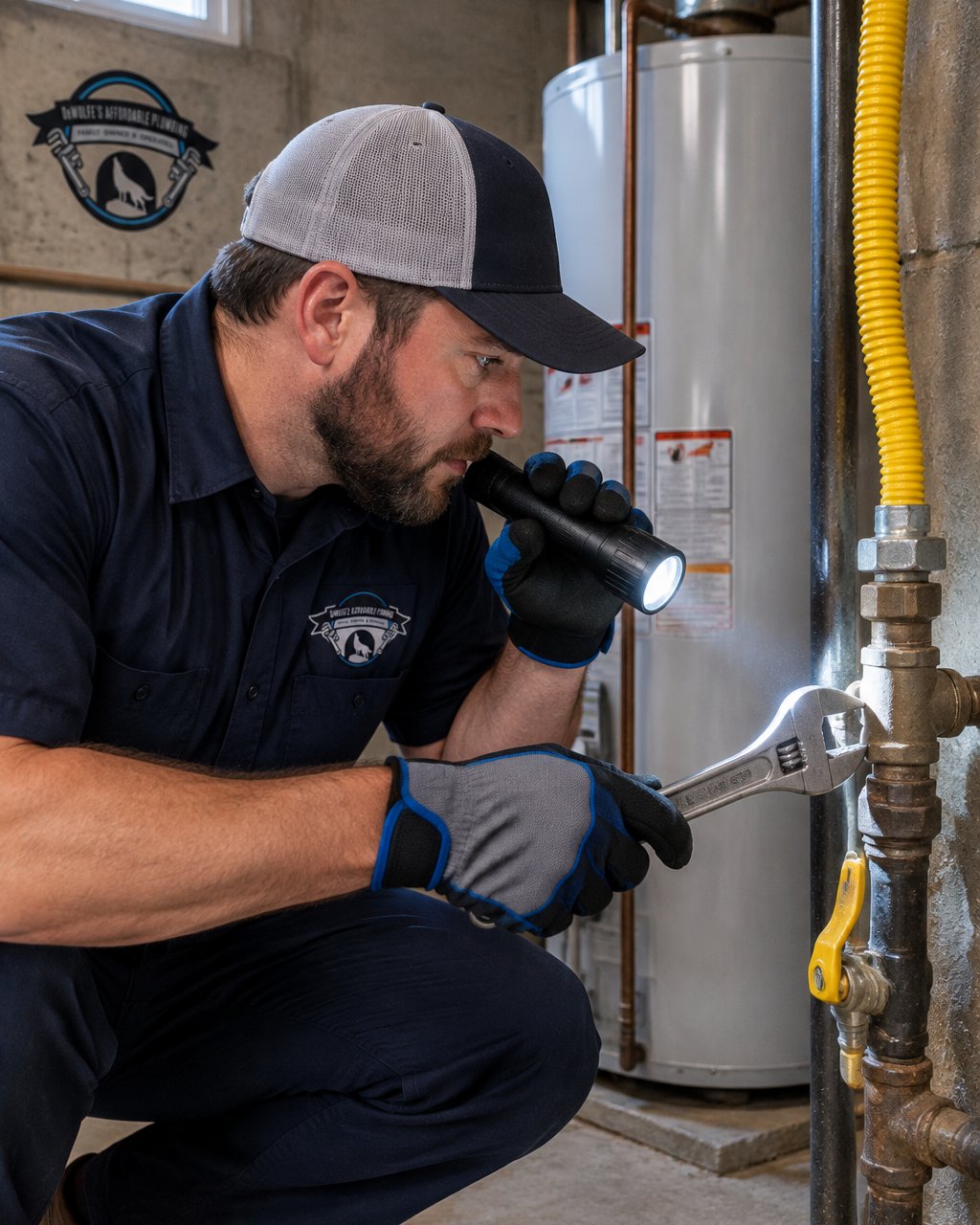
Gas appliances wear out, and the failure points are specific. Gas appliances wear out over time, and worn valves, burner assemblies, and pilot components are common failure points. Appliances are the most common source of indoor leaks because they combine heat, moving parts, and constant use, and a damaged component inside the unit can release gas even when the appliance appears off.
Improper Installation and Loose Connections
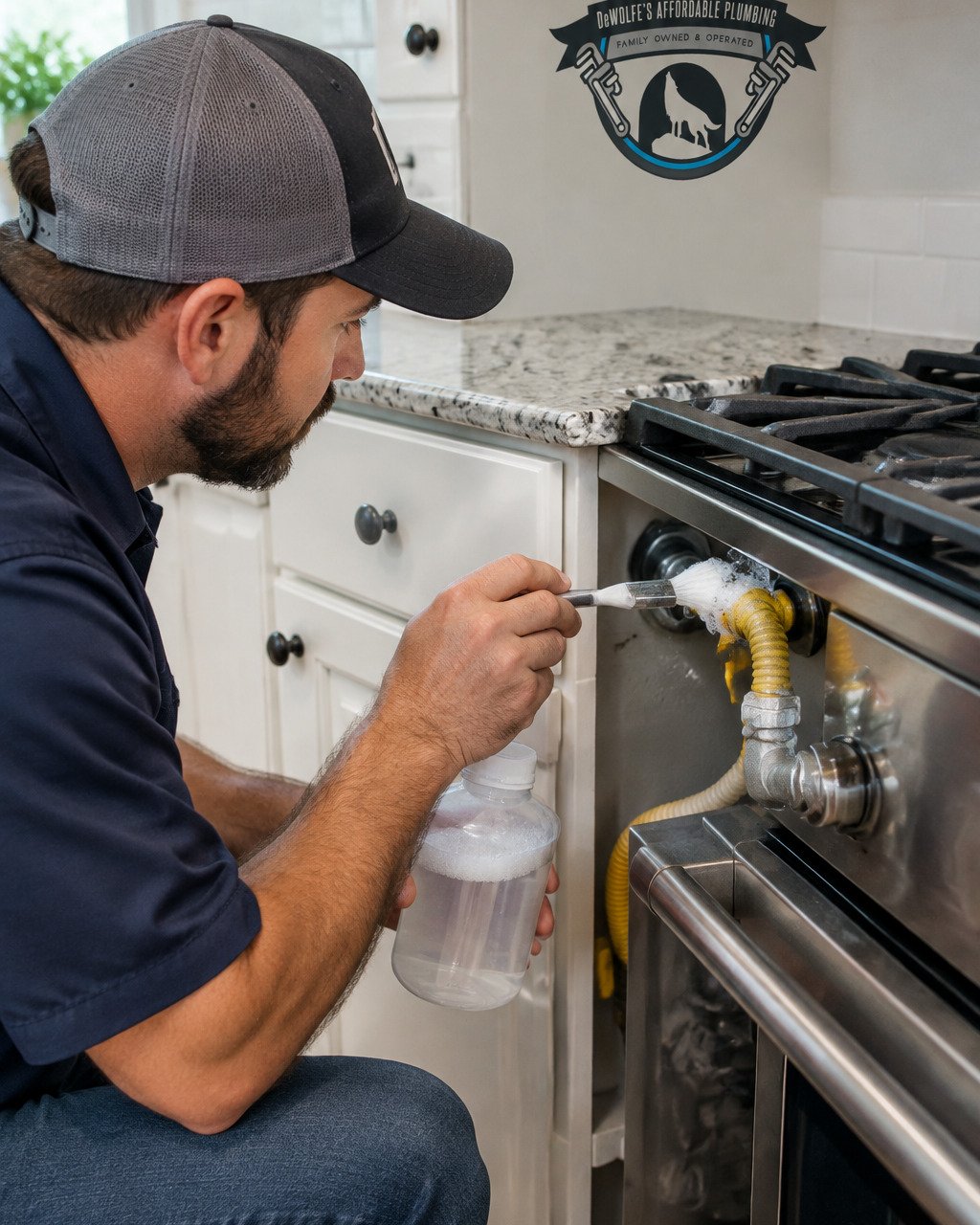
A loose connection is a small thing that becomes a big problem, and the mechanism matters. Gas appliance connectors, the flexible lines behind a stove, dryer, or water heater, seal at threaded fittings and flare connections. When a fitting is cross-threaded, under-tightened, or sealed with the wrong compound, gas escapes at the joint. DIY hookups and rushed installs are frequent offenders. So are old flexible connectors that have hardened or cracked over time; the corrugated stainless tubing used on many appliances can develop pinholes if it is bent too sharply during installation. A shutoff valve that is only partly closed, or a valve packing that has dried out, is another common leak point at the appliance.
Aging Pipes, Corrosion, and Physical Damage
Older gas lines corrode from the inside and the outside. Rust eats through pipe fittings and threaded joints, and a pinhole in a gas line is enough to fill a room. Black iron and steel pipe used in older homes is the usual corrosion candidate; the joints and the low spots where moisture collects fail first. Physical damage matters too: excavation, construction work, and even settling soil can stress a buried service line, and a line that was nicked during a past dig can leak years later. Environmental damage from storms or a natural disaster can bend or crack a gas pipeline in ways you cannot see.
How These Causes Rank by Likelihood
Not every cause is equally common. Failures often cluster around appliance connectors, fittings, and valves, which see the most handling and age. Corroded pipe and physical damage are less frequent but more serious when they occur, because the leak can be hidden behind a wall or under soil. Natural disasters and major excavation damage are the rarest category, but they are the ones that produce the largest and most dangerous leaks. If you smell gas and cannot trace it to a stove or water heater connection, treat it as the higher-risk category until a professional confirms otherwise.
Most residential gas leaks trace back to a few recurring failure points, each with its own warning signs.
| Cause | How it happens | Where to look |
|---|---|---|
| Faulty or damaged appliances | Worn valves, burner assemblies, pilot components | Stove, furnace, water heater, fireplace |
| Improper installation and loose connections | Cross-threaded, under-tightened, or wrongly sealed fittings | Flexible connectors behind appliances |
| Aging pipes and corrosion | Rust eats through fittings and threaded joints | Black iron and steel pipe, joints, low spots |
| Physical damage | Excavation, construction, settling soil, storms | Buried service lines |
Natural Gas Leak Signs Every Homeowner Should Know
The most reliable natural gas leak sign is smell: utility companies add an odorant that gives gas its rotten-egg smell. That scent is your first and best warning. Other signs include a hissing sound near a gas line, dead or dying plants above an outdoor line, and dust blowing from a small hole in the ground. Physical symptoms like headaches or dizziness in one room can also point to a leak. For a fuller list, see our guide to the signs of hidden gas leaks and what each one usually means.
Gas Leak From Stove Symptoms and Other Appliance Clues
Gas leak from stove symptoms often show up before anything else does. Watch for a faint gas odor when the stove is off, a burner that lights unevenly, or a flame that burns yellow instead of blue. Similar clues appear with other appliances: a furnace that smells when it kicks on, a water heater with soot near the base, or a gas fireplace that will not stay lit. These are not normal quirks. They are signals that a gas appliance needs a professional look.
How to Detect a Gas Leak Safely
Suspected leaks are not a DIY project. The safe approach is a short, ordered checklist, and the order matters more than the steps themselves.
- Leave first. If you smell gas, get everyone out of the home immediately. Do not stop to open windows, find the source, or gather belongings.
- Do not touch switches or use flames. Do not turn lights on or off, do not unplug anything, do not use a phone inside, and do not light a match or a lighter. A spark from an ordinary switch can ignite accumulated gas.
- Call from outside. Once you are clear of the building, call your gas utility’s emergency line or 911. Give the address and say plainly that you smell gas.
- Do not re-enter until the utility or emergency crew tells you the property is safe.
Watch out: never use a flame to test for a gas smell, and never assume a faint odor is safe to ignore, a leak that seems minor can build up in a closed room.
Is It Actually Gas? A Quick Decision Guide
Not every odd smell is a gas leak, and the distinction matters because it changes what you do next. Natural gas is odorized with a rotten-egg scent specifically so it is recognizable. If the smell is sharp and chemical and comes from a drain, a dead animal, or a recently used cleaning product, it may not be gas, but if you are unsure, treat it as gas and follow the checklist above rather than investigating. Do not try to confirm a leak yourself with a lighter, a match, or a homemade soap test; a licensed technician uses calibrated detection tools to confirm the location before any repair begins. If you want to understand how professionals pinpoint a leak, our breakdown of the best ways to find gas leaks walks through the safe methods used in the field.
What Happens After You Call
Once the utility arrives, the crew inspects the meter and the service line, shuts off the gas if needed, and confirms whether the leak is on their side of the meter or yours. If the problem sits inside your home, the utility will typically tag the appliance or line and require a licensed plumber to make the repair before gas is turned back on. Knowing that sequence helps you plan: the utility handles the shutoff and the safety clearance, and a licensed plumber handles the repair and the re-light.
How to Prevent Gas Leaks With Routine Care
Routine maintenance is one of the most effective ways to reduce gas leak risk. A common mistake is waiting until something fails. Instead:
- Have gas appliances serviced on a regular schedule
- Replace old flexible connectors before they crack
- Keep an eye out for rust on visible gas lines
- Schedule a professional inspection after any construction or digging near your home
Our residential plumbing maintenance tips cover year-round habits that help protect your system.
What to Do After You Call Your Utility or Emergency Crew
Once you have evacuated and called your utility provider, stay out until they clear the property. The utility will shut off the gas and confirm whether the leak is on their side of the meter or yours. If the problem sits inside your home, you need a licensed plumber for the repair. That is where a licensed plumber comes in. DeWolfe’s Affordable Plumbing offers 24/7 emergency service, transparent up-front pricing, and a full written warranty on all labor. If you need help right away, you can reach our 24-hour emergency plumber team.
Schedule a Licensed Gas Line Inspection Before a Small Leak Grows
A small leak is easy to fix. A small leak that has been ignored for months is a different story. If you have noticed any warning sign in this guide, or your gas appliances are aging, book an inspection now. Our licensed and insured team handles gas line repair and install, and we provide on-site estimates for residential customers. Don’t wait for a faint smell to become an emergency. Schedule licensed gas leak repair with DeWolfe’s Affordable Plumbing and get peace of mind before a small leak grows into a serious hazard.
A gas leak is one of the few home problems where speed truly matters. If you smell gas, hear hissing near a line, or your appliances are showing warning signs, do not wait. DeWolfe’s Affordable Plumbing is family owned and operated, fully licensed and insured, and backed by a full written warranty on all labor. We offer 24/7 emergency service and transparent, up-front pricing so you know what to expect. Get started with DeWolfe’s Affordable Plumbing and keep your home and family safe.
Frequently Asked Questions
What are the most common causes of gas leaks in houses?
Most residential gas leaks trace back to a handful of failures: aging or corroded pipes, loose fittings and valves, faulty or damaged appliances, improper installation, and physical damage from excavation or construction. Appliances like gas stoves, furnaces, water heaters, and fireplaces are frequent leak points because their connectors and valves wear out over time. Environmental damage from natural disasters and shifting soil can also crack service lines. A licensed inspection can pinpoint which of these is behind a suspected leak.
Can you have a natural gas leak and not know it?
Yes. Small leaks may release too little gas to register as a strong rotten-egg smell, especially if your sense of smell is dulled or the leak is outdoors. Watch for subtler natural gas leak signs: a faint gas odor that comes and goes, a hissing sound near a gas line, dead or dying plants above an outdoor line, or unexplained headaches and nausea. Because carbon monoxide and flammable gas can build up indoors, any of these clues warrants a professional leak detection check.
What should you do if you smell gas in your home?
Leave the building immediately and take everyone with you. Do not flip light switches, use phones, or start vehicles near the structure, since a spark can ignite flammable gas. Once safely outside, call 911 or your utility provider’s emergency line and report the gas odor. Do not re-enter until crews confirm it is safe. After the emergency is handled, a licensed plumber can locate and repair the damaged component, whether it is a pipe fitting, valve, or appliance connection.
How can homeowners help prevent gas leaks?
Schedule annual inspections of gas appliances and lines, replace aging connectors and corroded pipe fittings before they fail, and keep the area around your gas line clear of excavation or construction work. Install carbon monoxide detectors on every level of the home and test them monthly. If you notice a loose connection, a hissing sound, or a persistent gas odor, call a licensed plumber rather than tightening fittings yourself. Routine maintenance is the most reliable way to prevent gas leaks from becoming emergencies.
